Showing posts with label flood water removal. Show all posts
Showing posts with label flood water removal. Show all posts
Saturday, March 27, 2021

Tuesday, June 26, 2018
Get Water Damage Help and Water Damage FYI Chicago IL
WATER DAMAGE HELP AND THE NECESSARY CLEANUP AND REPAIRS
All of us are in need of water. We can’t live without it. Yet, sometimes when it is sitting in our homes or our commercial properties, we may feel otherwise. All of us are well aware that water is a necessary part of life. We need water to stay in its place. That is running through our plumbing system or filtration system, and not all over our floors or walls.If water is floating anywhere in or around your property it can create a serious problem with costly consequences. Some think that just a small amount of water can’t do any harm. This can be deceptive depending on the exact circumstances, like the type of water that spilled, the condition of the flooring, or wall space, the humidity levels in the structure, and last but not least, has this happened before.
While a small spill might go unnoticed, a burst water pipe, flooded basement, or leaky roof can dig deep into the pockets or the bank account. While it is completely difficult to determine just how much a water damage restoration or flood cleanup may cost, because each job is different, primarily the cost will be determined by a few factors that need to be assessed upon arrival by a professional water damage restoration company.
- If you need roof work done to stop a leak or prevent excess moisture seeping into your attic space, this could get a bit costly. Roof repair can go a long way in securing your property from unwanted water damage and unnecessary condensation from rain. Even a gutter system that is not functioning properly can cause undue moisture to build up around a roof area affecting the shingles, the siding, the underlying trim and structure and ultimately the area of space inside just under the roof. It is good to have an inspection done of your property from time to time, especially after an extremely heavy rain!
- Flood water that sits in a basement can be extremely foreboding to say the least. If left without attention it can cause havoc to the foundation, the subfloor, the walls and everything else that sits in the basement. Most waste time getting multiple estimates instead of trying to get the water out immediately. While we do want to be cautious as to who we invite into our property to assist us with our flood damage, we don’t want to take too much time in making a decision and grappling over pennies. You know it is going to cost to get it done. Especially if insurance is not going to cover it because of some small sentence in your policy or a rider that you were not aware of. This does happen to many consumers as there is the tendency to wait until a disaster occurs before knowing how much coverage you have or do not have. Insurance companies really don’t mind paying out to help their clients, but it is always a good idea to know what type of coverage you have and where to find those necessary documents should something happen. One thing that gets many consumers is, they may find out that they do have coverage, but it will only go up to a certain dollar amount. And now they are left with coming up with the rest to cover the costly restoration and repair work needed. Water intrusion can strike at any time. It’s best to be prepared just in case it does. There is no fool proof guarantee of stopping water when it strikes. We experienced one customer who spent about $25,000 on a flood water prevention system that essentially was to pump water “away” from the property to keep it from flooding the basement. I guess you know the story. That’s why we were called in to assist. The pumping system failed and now the property owner had a basement full of water to deal with. Be careful with promises of systems that prevent water from inundating your property. While some may work for a time, all it takes is that really heavy fast-moving storm to come and dump inches of water in minutes and there goes the preventative process to keep the water away. Water can be like a vengeful enemy. Once it starts, and if it is not shut off, it will keep coming and run over everything in place. There is no stopping water when it comes down in sheets. It’s very sad to see a property owner spend thousands of dollars on equipment that does not work. Your heart can only go out to them. But, that is what the damage restoration company is here for. To help when disaster recovery is the best and final alternative.
- Another issue can be a burst pipe. Typically this can affect not only flooring but the walls can get wet as well. When this occurs, the insulation if there is any present, can get saturated and need to be removed. We find this is one of the leading causes of the spread of mold behind walls. Improper handling of insulation. If the material behind the walls gets extremely soaked there is almost a 100% guarantee, if left for more than three days, you will have mold to develop. In this case walls need to be removed, insulation needs to be replaced, studs need to be treated and encapsulated.

EDUCATE YOURSELF ON WATER DAMAGE
The more knowledge that you have in dealing with water damage and how it can affect your home the more prepared you are when it happens:Know how old your home is, what the pipes are made of, and what type of issues usually plague homes just like yours. If you live in an older home it's important to know what the pipes are made of (you can find that out by calling a plumbing service, asking the previous homeowner, or hiring an inspector). There are a variety of pipe materials used in new and old homes, and some are more prone to leaks than others.
What type of area do you live in? Is it prone to moisture? Do you get a lot of rain? Is it a wet, damp environment most of the time from snow? Is it a cold tempered area? If you answered yes, proper insulation may be necessary to protect your piping, and the walls spaces. Without a bit of insulation, exposed pipes can freeze, crack, and burst. A burst pipe can be really expensive to fix needing the expertise of a plumber, and a good drywall/painter to fix it. Piping systems run throughout the property. Either one of them, especially those that are not seen, like under the floor, near your garage, or near outer walls can freeze. A good shot of foam insulation can do the trick. It can serve to keep the temperature at a level that may prevent a pipe from bursting and causing water damage. It is good to know the type of piping material that your property has in place.
Also, knowing the history of the property before purchase, if possible can help. Has the property flooded before? If so, how long ago? Who handled the flooding issue and is there any documentation as to what was done. This will give you a keen eye into the history of the property as respects to water damage and possible mold issues.
If you notice pendulum like swings in your bill for water each month, it might be an indicator that something needs to be checked to see why this is taking place. It is a safety and preventive measure that many property owners overlook.
SPRINKLERS
Damaged sprinkler systems are a major cause of yard and basement floods throughout the U.S. We dealt with one NFL football player in the Chicago area whose home sprinkler system popped in the winter, and filled the basement with about 5 feet of water. Needless to say, you can’t do anything until all the water is pumped out. Then there is the responsibility to make sure that the electricity is off so that there can be no harm to anyone in the damaged area. We got all the water out and proceeded to assess the damage and put together a comprehensive game plan to get the basement restored.It's common for sprinklers to wear out over time and with frequent use, eventually leading to leaks. This is one of those small things that can easily go unnoticed or overlooked. We just assume that those things will take care of themselves. Until a disaster occurs. And in areas that drop below freezing during the winter, broken or burst pipes are even more common. Some municipalities handle water flow by shut off valves and other systems. It is good to know when this is done and if there is such a schedule for doing so. It can be the difference between coming home to a life-as-usual situation or one of a water damage disaster. Keeping an eye out for spots in your back yard they may seem to get patches of water or are soaked from time to time is a sign that you may have a problem. If you notice any excess water, you will need to repair the damage quickly. If the sprinklers seem to be working poorly or with reduced pressure there might be a leak somewhere in the system. It’s these simple little tricks that can prevent a major disaster later.
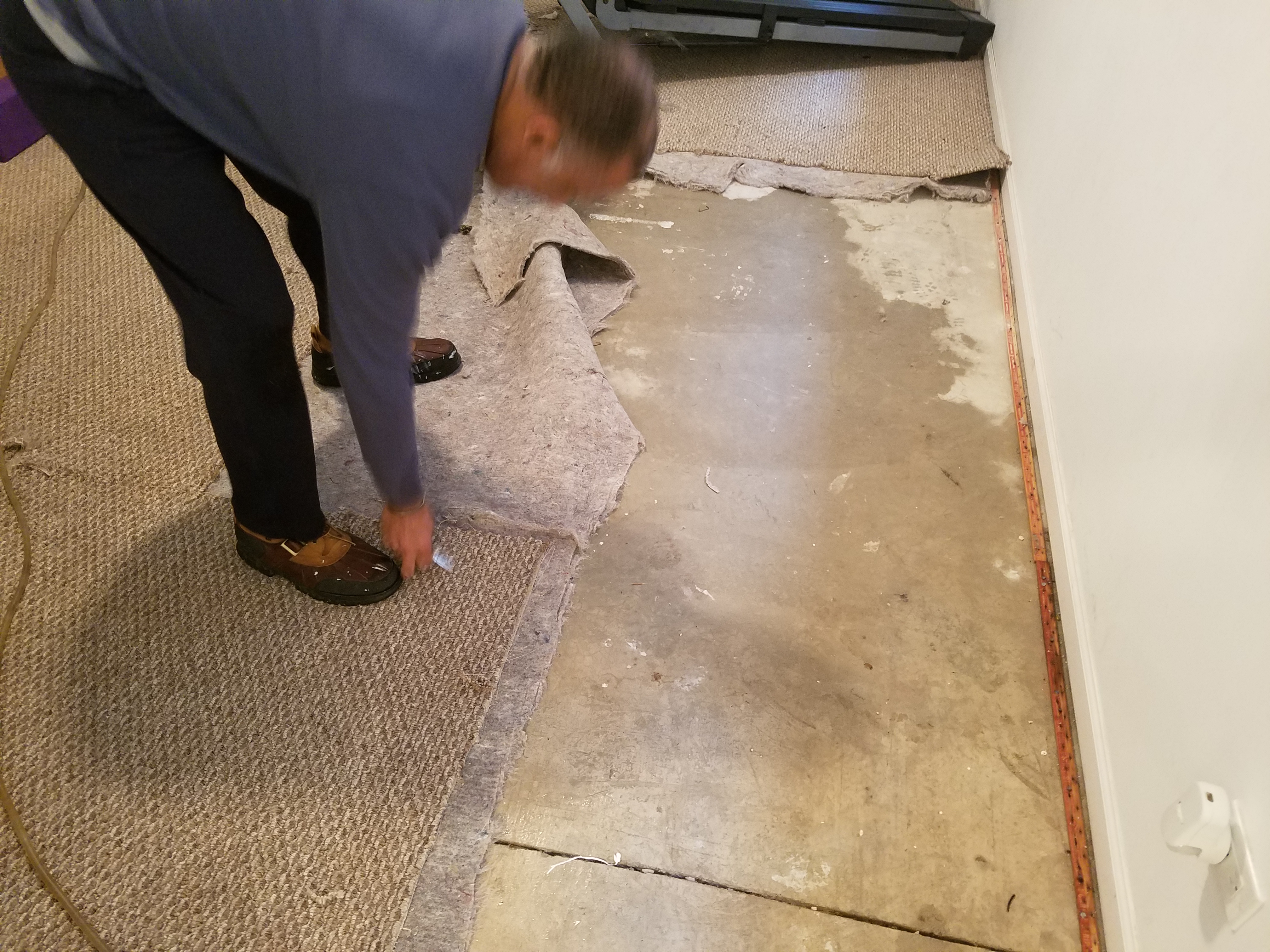
REPAIRS
The CleanUP Guys specialized in helping property owners to detect any water damage issues and work to resolve them before they get out of hand. It is our job to repair water damage issues that might exist in your property. It is best to prevent things from happening where you can. But we know that life happens and some problems simply can't be avoided. Act as fast as you can when it does. This can minimize the overall damage to your property and keep costs to a minimum. After all, saving money where you can is what it’s all about.The first thing you need to do if you have a water damage problem is to turn off the water throughout your home.
Of course, the more the water is flowing the greater the damage and the more extensive the cleanup. If the flood is caused by outside sources, consider placing sandbags and other dams around your home as an alternative. After the water has been turned off or you successfully have it diverted, make sure you turn the power off throughout your home. It is very easy to electrocute yourself during a flood if you keep the power on.
After the water and electricity are off, remove all of your belongings and furniture as quickly as possible. The goal is to dry and repair furniture and electronics as quickly as possible. If the water subsides or dries on its own, you will need to clean any wet surfaces to prevent mold, mildew, and bacteria from growing. Do not use high or direct heat. Why? It can ruin fabrics and warp most materials. After you have done what you can, it's time to call for professional water damage restoration services. They will be able to come in and quickly assess your damage and get the work going immediately.
We hope you never have to undergo the experience of water damage in your home. But if that day comes, don't wait and let the damage compound.
When it comes to detecting water damage issues, it is good to know where to look. It does not have to be a large swath of water to have a problem. Even small indicators can be noted and dealt with immediately:
The roof of your property is a good place to start. Especially since water can start up and flow downward into other areas. Roofs are subject to wear and tear due to various reasons like weather extremities, continuous hitting from tree branches, old or poor-quality roof tiling, shoddy work, etc. Water dripping down any part of the roof is a sign of mold remediation.
We have noted some larger structures like dance halls, banquet halls, country club venues that deal with high ceiling rafters are a great candidate for this type of activity. They are high up and out of the way, and can easily go unnoticed until the damage has taken over large areas.
Water can also penetrate through doors and windows. If they are not installed properly, and can cause considerable mold repair. As mentioned earlier, water intrusion can also damage the insulation system within your property. Pay attention to how your property responds during rainfall, storms and the like. Are you noticing high levels of moisture? Are any of the doors, windows, or trim buckling?
Gutters are a very important part of water flow away from the home. If they are blocked or overflowing, this can be a substantial cause of water damage to your property. During heavy rainfall, if the gutters are clogged, it fails to send down the water flowing from the roofs, resulting in a large amount of water accumulating near the base of your property. The Chicago area and suburbs receives its fair share lately, of extreme moisture and condensation activity. With all the rain occurring it is a very good idea to assess how your property is handling the load.
Did you know that your appliances can also leak? These may go unnoticed for years, causing a buildup of mildew and possible mold contamination under, behind and sometimes even inside the appliance. Where there is water, there is promise for possible mold remediation concerns.
The bathroom is another place to consider when it comes to the use of water. If it sits in one place too long, mold and mildew can start to form and affect overall environment, and the air quality in the property.
Whichever level of water and moisture content that needs to be addressed, it should be handled as soon as possible. The best way to deal with this problem is to contact experienced mold remediation repair services on an immediate basis. Expert services have the necessary experience and knowledge to solve your mold damage problems through required equipment and expertise.
Mold remediation companies know what it takes and how to get rid of unwanted contaminants in your property. They are trained with the use of various industrial grade equipment and modern technology, as well as the necessary chemicals it would take to rid the property of unwanted bacteria. Sometimes the property owner may need to relocate from the premises while this process takes place. Be sure to ask the mold remediation specialist if this is the case in your particular situation.
Water damage in any property can appear to be a daunting assignment to handle. It doesn’t matter how it gets there, in most cases we just want it to go away. To make that happen, pick up the phone and call your local damage restoration experts, like The CleanUP Guys!
After this labor is completed, equipment for drying such as air movers or scrubbers, dehumidifiers, and specialty floor drying systems may be left in your home for a few days, to ensure that the area is completely dried. If any water is allowed to remain in the area, contamination will continue, causing mold and bacteria growth. After two or three days (or however long is necessary), the area will be reevaluated to be sure that the drying process is complete, and drying equipment will be removed.
PROFESSIONAL WATER DAMAGE HELP CHICAGO
One of the most important things in factoring cost and what plan of action that needs to be implemented is determining the level of water damage and its type. As the industry has educated many of us, there are three categories of water, rated on their contamination level.Category One: is clean, sanitary water, also known as clear water. This most commonly is found in clean water supply lines, such as those leading to a faucet, or in bottled drinking water. While this water has little or no contamination in itself, it can degrade into a higher category quickly if it comes into contact with outside contaminants in the environment.
Category Two: also known as grey water, is water that is mostly clean but does contain some contaminants. This kind of water is found in washing machine or dishwasher overflow, as well as toilets and bathtubs. This category of water may cause discomfort or illness if ingested, and can degrade into category three if it comes into contact with further contaminants in the environment.
Category Three: water, also known as black water, is grossly unsanitary, containing a high level of contamination. It can cause severe illness or even death if ingested. Sources of this kind of water include sewage, flooding from rivers, wind-driven rain, and standing water that supports bacterial growth. If left untreated, all water will eventually reach this level of contamination as it comes into contact with bacteria and other microbes.
When the type of water damage category is determined, we move onto how far the damage has occurred, and what needs to be done to handle it properly.
Class One water damage generally only affects a small area, or affects an area with very little porosity such as concrete. There is no wet carpet or other highly porous materials involved, class one damage is the least dangerous and the easiest to repair. You hope this is the one you have, right?
Class Two damage can affect an entire room, and often includes carpet. Water may also have soaked into the walls up to 2 feet, a process known in the industry as “wicking.” There may be moisture in the structural materials of the building, and other hidden areas.
Class Three water damage is total saturation of walls, ceilings, insulation, carpet, and walls. Water often comes from overhead in these situations. Everything would have to be addressed, as the saturation level is extremely high, leading to extensive damage.
Class Four damage is reserved for unique or specialty drying situations, in which materials with low porosity (such as hardwood, plaster, brick, stone, or concrete) have become saturated. There may be very deep pockets of saturation that needs to be dried out and treated according to the type of material involved.
Professional help is just a phone call or email away.
Contact The CleanUP Guys for professional water damage restoration and mold remediation services in your area!
773-885-8528
sherm@thecleanupguys.com
Tuesday, January 9, 2018
Sewage Cleanup and Flooding in Elmwood Park, IL
 Sewage Cleanup and Flooding A Chore to Restore
Sewage cleanup and flooding in Elmwood Park IL can occur at a moments notice. Water damage from a toilet overflow can be quite immense and the stench afterwards can make it difficult to stomach. At issue also is the damage that it can cause to the flooring, walls, trim and baseboards. Wooden floors are especially susceptible to getting much damage because of the porous material that allows for heavy saturation. This can make the cleanup of any sewage deposits very difficult to handle. What causes sewage blockage? There are a number of reasons. One of the most common reasons can be the drainpipes and waste pipes get choked or clogged up with mounds of sewage, which can hinder flow through the piping system. They can also be choked due to objects being flushed down the toilets, buildup of dirt, cracked pipes and leakages etc.
The important thing at this point is to stop the overflow as soon as possible. It is very important to contain the overflow and the contamination. Stop the overflow by using absorbent cloth, newspaper or large bath towels. The idea is to create a buffer point or barrier to stop the flow until it can be safely removed. Never touch raw sewage with bare hands. At this stage it is highly contagious and can cause all sorts of illnesses, which we will discuss later. Facial masks and protective gloves and eyewear are necessary to prevent the inhalation of the toxic fumes that come from the sewage.
The cleanup process for the Elmwood Park IL water damage or sewage from a toilet overflow should be done quickly. To have it removed from the damaged area, special sewage suction devices can be used to quickly gather the waste to discard it. Of course, once the sewage removal has taken place as it should, then sanitizing and disinfecting are in order. This is where a professional sewage cleanup company comes into play. The entire area that has come in contact with the sewage should be removed effectively. They have special equipment and training to make sure that the area is completely contamination free.
Sewage can penetrate any area, and deposits can rest in unseen areas especially behind the walls. The wooden flooring may need to be removed and the walls need to be dried out completely to prevent the growth of mold and mildew. Air scrubbers should also be used to clean and purify the air and remove any noxious fumes and smells that will persist.

When floods occur, along with a mix of toxic sewage, they carry along a nasty sludge that not only moves items as it flows, but poisonous mixture defies the elements. Water purification and sewage systems are often severely damaged in the wake of floods, and chemicals from sludge and toxic wastes end up contaminating the waterways.
Sewage and flood cleanup professionals Elmwood Park IL are trained to handle such situations, but there are steps property owners need to take to decontaminate their water supply, disinfect their living areas and prevent the health hazards and epidemics that often break out in the aftermath of a flood.
People who come in contact with contaminated food or polluted water can end up with illness and disease caused by pathogens like E. coli, Salmonella, Hepatitis A virus and Shigella. Clostridium tetani, which causes tetanus, can enter the body through cuts and injuries.
Chemical contamination from toxic waste dumps or agricultural waste can cause rashes and other symptoms of chemical poisoning. After a flood occurs, stagnant water can become a fertile breeding ground for mosquitoes, resulting in an epidemic of West Nile Virus or encephalitis. Wild animals can also inflict rabies and diseases spread by fleas and ticks can also break out at such times. As you see, the devastation can go beyond just a flow of sewage or toxic waste. It can be extremely hard, next to impossible for some to recover from such damage, especially if one already has a weakened immune system.
Simple Steps to Prevent Disease
Simple precautions to ensure hygiene, such as washing hands with soap, using clean water for drinking and avoiding contaminated produce, can help prevent disease to a great extent. It's best to assume that the water supply is contaminated until such time that the authorities declare it to be safe.Use bottled water that has not been exposed to contaminants for drinking. Using filtered or boiled water is always a good idea in the wake of a disaster. Avoid wading through pools of flood waters as toxic chemicals and pathogens like tetanus bacteria can enter through the skin. As a safety measure, it might be a good idea for you and your family to get a tetanus vaccination.
Keep plastic gloves, rubber boots and other protective clothing handy in case you have to enter a contaminated area for any reason. Use mosquito repellents and wear full-sleeved shirts, long pants to avoid getting bitten. And obviously, children should not be allowed to swim or play in flood waters, or use toys that were in contact with such waters, without disinfecting them.
Keep disinfectants on hand, in case you need to decontaminate some living areas. If you think you're falling ill or coming down with something, seek medical treatment from your primary care provider and inform authorities at the nearest hospital so they can take measures to prevent an outbreak of disease.
Flood Cleanup Professionals are Your Best Bet
Leave the daunting task of flood cleanup and water damage mitigation around the property to a professional who has the training and experience to diagnose problems and fix them without the risk of disease or injury. Flood cleanup professionals will usually wear special protective clothing and goggles before entering sewage and flood waters Elmwood Park for damage and repair procedures.Since flood and sewer cleanup can be a long, systematic and arduous process, it is best not to be around, if at all possible while the disaster recovery team takes care of the matter.

An expert water damage and mitigation firm will have the knowledge, equipment and experience to restore and repair your home. After the professional flood cleanup service has completed the process of restoring your home, you can move back in with the assurance that it is habitable and safe for living once more.
Floods can carry with them disease and cause an epidemic as contaminants are spread from one region to another. For flood cleanup, water damage mitigation and restoration, a company should have the experience, technology and response you need to restore your property and get your life back on track.
Ugh! The basements flooded. Honey, the toilet overflowed again! Oh no, the pipes must have burst! We had to evacuate because a river, or lake overflowed.
These scenarios play out every day in the lives of many unsuspecting people. As many have the idea that “this will never happen to me,” until it does.
No matter what type of flooding occurred, any time water is allowed to sit, damage will occur. The longer the water sits, the more damage. For example, if you act promptly to mop up a toilet overflow and then clean the floor, damage is minimal. But what if you didn't know the toilet had overflowed? What if one of your kids managed to turn off the water but failed to mention that the carpets were soaked? The water is now soaking in, warping the floorboards or reaching down to the carpet padding. If it's an upstairs bathroom, water may head south, traveling down the walls or through the ceiling to the floor below. Within a few hours, a musty odor may appear. Before you know it, your minor overflow involves replacing carpets, repainting ceilings, ripping out moldy wallpaper, and other hassles.
Larger sewage cleanup and flooding, such as when a river decides to flood your property, you don't always have the option of a fast response. You just may find that you’re out of town, or the area is cordoned off so that residents cannot return immediately to the properties! High humidity levels and standing water are taking their toll. You can bet that cleanup is going to be a mess. The longer you wait, the worse it will be. Always pay attention to evacuation orders and find out when you will be allowed to return. Get in touch with a water damage restoration company and put them on too. Always, always, always call early, as soon as possible, so that you can make sure you'll be placed on their schedule for priority service. Now is not the time to take a vacation and deal with the water damage when you get back. Every minute counts.
Once you get the green light that everything is AOK, get going as soon as possible! A large assignment awaits, but take a deep breath and dive right into the project head on. Make sure that the power is off before entering your home. A squeegee, a push broom, and maybe even a power washer if handy, can assist with rushing the water out of your property. Everything should be thoroughly scoured and cleaned if salvageable. In addition to cleaning and drying, disinfecting all items and surfaces is a must because sewage flood water bring with them all kinds of hazardous hitch hikers including bacteria and chemicals. As you can imagine, cleaning up after a flood is not generally a do-it-yourself job. Consider bringing in Elmwood Park IL professionals for sewage water cleanup, restoration and repair service before the damage gets worse.
Subscribe to:
Posts (Atom)