Showing posts with label get rid of mold. Show all posts
Showing posts with label get rid of mold. Show all posts
Wednesday, March 11, 2020

Monday, April 30, 2018
Black Mold Removal Chicago IL
Mold Removal: Save Time, Energy, Money, and Health by Hiring a Professional Mold Technician
Mold is necessary for some things, like cheese, penicillin, and fermented wine, but in our homes, mold can pose serious hazards to your health and home. Many strands of mold can be toxic and lead to health issues. If not found and removed, mold can lead to damaged drywall, wood rot and expensive home repairs. The good news is that household mold can be eradicated, preventing costly repairs and illness. The trick is to understand what mold is and the type of environment in which it thrives, as well as ways to discover mold growth in your home, and when and how to hire an expert mold removing service. With a mold-free home, you can breathe easier…literally!When people talk about mold issues in houses, they often use the term “black mold.” It is a menacing sounding name and, too often, homeowners fall for scare tactics regarding black mold because it sounds so sinister. In reality, black mold is not a single type of mold but a group mold distinguished by their dark black color. Other common molds appear as greenish or grayish in color. Not all types of black mold at toxic, which is why a mold expert may be needed to assess the situation.
Some types of mold, however, can be quite nasty. Aspergillus, a common household mold typically found in air conditioning ducts, can consume large quantities of organic material, such as cloth and wood, while releasing pathogens into the air that can cause allergic reactions and respiratory ailments. Cladosporium is often black in color, but can also be green. This type of common mold makes its home in moist areas like behind the toilet and fiberglass air ducts. Although Cladosporium is not toxic to humans, it can cause allergic reactions, such as scratchy throat and watery eyes. Stachybotrys atra is a strain of mold that is often called black mold. It grows in warm, humid environments, particularly basements, attics, and crawl spaces. Stachybotrys atra contamination can create health concerns, such as headaches, wheezing, lung infections, and fatigue.
Finding mold in your home is not as easy as simply looking for mold growth on the walls. That’s because mold often grows in areas that are unseen by homeowners. Often, too, a homeowner will notice a black stain, but assume that it is dirt. An expert in mold remediation is experienced in looking for signs of mold in hard-to-see places is the best person to consult if you suspect there is mold in your home.
Many times, the first sign of mold is the odor. A musty, moldy small permeating through your home probably means you have an unseen moisture problem somewhere that has led to mold growth. If you continuously smell the foul odor of mold, you should thorough inspect your home for visible signs of mold growth, including crawl spaces, closets, and attics.
Any sort of water or moisture problems will almost certainly cause an explosion of mold growth. Mold thrives in damp, warm environments, therefore controlling water leaks and excessive condensation will help to control mold. A leaking roof may not cause rain to drip through the ceiling right away. Instead, the water may be trapped in the rafters and attic, creating a suitable habitat for mold to grow. If you begin to notice water stains on your ceiling or drywall, there is a good chance the mold has already taken hold. Routinely inspect walls and ceilings for water marks, cracked paint, or bubbled wallpaper. All can be a sign of a water leak.

Kitchens and bathrooms, because of the water pipes supplying these rooms, are particularly susceptible to water leaks and subsequent mold growth. Take note of the conditions under each sink to ensure that there are no leaks. Also, examine pipes, drains, toilet seals, and showers for unwanted water leaks and make the necessary repairs as soon as possible. A dry environment is not conducive to mold growth.
Today’s houses are built to be air-tight, and occasionally, this contributes to condensation in the home. Condensation is a visible indication that the moisture level in the building is too high, and the stage is set for mold to grow. Condensation can occur in attic spaces that are not well ventilated. Too much moisture in the home can present itself with water accumulation on glass window panes and metal pipes. Condensation is a sign of a chronic humidity problem in the home that should be addresses as soon as possible because it can lead to chronic mold.
Homes that are built in low-lying areas or along rivers, lakes, ponds, and creeks, are prone to occasional flooding, especially in the basements or crawl spaces. Where there is water, there is the potential for mold growth, therefore any flooding incident, however minor, should be followed by a mold inspection conducted by an expert in mold remediation. Flood waters can seep into nooks and crannies and cause mold to grow in places where it cannot be seen.
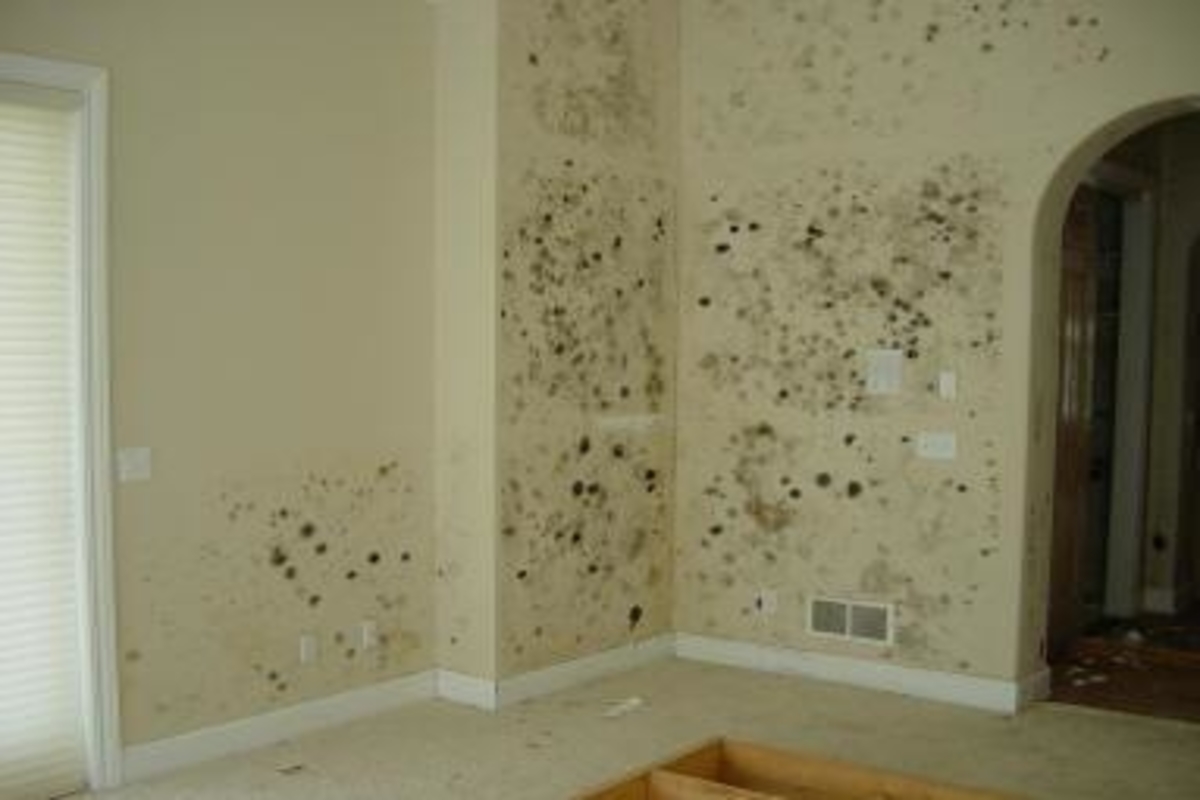
If you spot mold growing in your home -- or if you smell it but cannot see it -- take immediate action. Mold does not go away on its own, and any delay in taking action just compounds the problem. Likewise, any signs of water leakage or damage should be addressed immediately.
If left unchecked, it can lead to rotting wood and an explosion in mold growth. Mold likes warm, moist environments, but it feeds off wood, drywall, fabric, paper, carpeting, and other organic materials. Given enough time, the mold can damage the structure to the point that floorboards are weakened and ceiling tiles collapse. Typically, homeowners discover the mold and eradicate it before it reaches this point, but it is important for homeowners to know that some materials in the home can be irreparably damaged by mold, necessitating costly renovations and repairs.
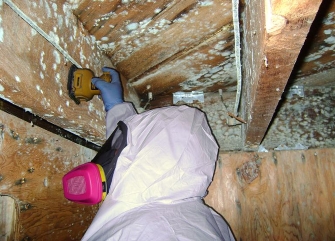
The longer the mold is allowed to ravage your home, the bigger and more costly the home repairs will be. This is why prompt action should be taken at the first signs of mold in the home. Although it may be possible to thorough clean some materials, like floorboards and wall studs if the damage is not significant, many materials that have been covered in mold will need to be disposed of and replaced. “Soft” surfaces, including mattresses, carpeting, rugs, insulation, wallpaper, and upholstered furniture, cannot be adequately cleaned and should be immediately scraped. Additionally, drywall and sheetrock will most likely need to be removed and replaces. Studs, floorboards, and rafters, if they are still structurally sound, should be thoroughly cleaned and disinfected by a mold remediation specialist, then sanded down to remove as much mold as possible. The surfaces can then be sealed with a sealant that contains mold-killing properties and will effectively encase the remaining mold spores in an air-tight, water-tight seal to prohibit further growth and spreading. Brick, cement, glass, metal, and tile surfaces can be cleaned of mold, however the process is expensive, strenuous, time-consuming, and potentially dangerous. A licensed, professional mold expert will have the proper equipment, know-how, and safety apparatus to complete this unpleasant task.
In fact, removing all mold-damaged materials from a home takes care and expertise and should only be done by an experienced mold removal professional. An unsuspecting and inexperienced do-it-yourselfer can inadvertently spread the mold spores around the house while pulling up moldy carpeting or ripping down moldy drywall. The spores can float around the air, causing allergic reactions and health risks, and can land on otherwise clean surfaces, spreading the mold even more.
Mold can invade the ductwork of a home, creating another set of problems. Air from the heating, ventilation, and heating systems pushes through the ductwork, spreading mold throughout the whole house. A small mold problem can easily turn into a big one, thanks to the movement of air – and mold spores – via the HVAC system. If homeowners even suspect that they may have mold in their ductwork, FEMA, the government’s Federal Emergency Management Agency, recommends have the HVAC system inspected by a mold removal expert, who is trained and experienced in proper mold removal.
Mold spores can play havoc with the human body. Many types of mold cause allergic reactions or exacerbate chronic illnesses in people, and other types are downright toxic. Because mold poses a health risk, it should be taken seriously. Immediate steps should be taken to eliminate the exposure to mold.
Symptoms of mild mold allergies include sneezing, watery eyes, runny nose, and headaches. Because these symptoms mimic other ailments, like the common cold and flu, it is often difficult to know right away that a mold reaction is occurring. If the symptoms persist over a long period of time, or worsen with the person is in the home, it could be a clue that mold is the culprit. The discomfort of mild mold allergies can be relieved by using over-the-counter decongestants and antihistamines. If a person knows he or she has been exposed to mold, he or she should take a shower to remove as many of the unseen spores as possible.
For people with asthma or chronic respiratory illness, exposure to mold can be quite dangerous. Even for otherwise healthy individuals, mold allergies should not be dismissed. Coughing, wheezing, and a constriction of the throat are indications that the person should seek immediate medical attention. An allergist can help to determine if a person’s symptoms are the result of a mold allergy. Typically skin or blood tests are used to identify the allergen.
Several varieties of mold, including Stachycotrys chartarum, can produce mycotoxins that can cause serious health problems. Mycotoxins are a secondary byproduct of mold and other fungal organisms. The mycotoxins of many mold species are potent enough to cause severe symptoms in humans, and can even lead to death.
Mycotoxins often affect the neurological system. Signs of a severe mold reaction with possible mycotoxins include trouble concentrating and staying focused, memory loss, dizziness, and intense headaches. Additional symptoms can include personality changes, skin rashes, joint pain and stiffness, and lethargy. The specific symptoms and the severity of them depend on a number of factors, including the type of mold spores, how much the person was exposed to the toxin, the duration of exposure, as well as the overall health of the individual, Factors such as age, vitamin deficiency, daily diet, and use of alcohol and illicit drugs can also enhance the severity of the mycotoxin symptoms. Exposure to mycotoxins can lead to the development of chronic respiratory and neurological disorders. Children are especially vulnerable. Studies have linked exposure to mold toxins in childhood to asthma, severe respiratory infections, and allergic hypersensitivity.
Although it is possible to kill mold with any of the home remedies that are circulating around the internet – tea tree oil, bleach, vinegar, grapefruit extract, or hydrogen peroxide, to name a few – do-it-yourself treatments may only be a band-aid for the problem and may lead to prolonged exposure to the mold. That is because mold doesn’t always grow where it can be easily seen. Most mold growth, in fact, may be out of sight, growing behind walls or above ceiling tiles or in crawl spaces. Only a trained expert who knows what to look for and where to look is qualified to tackle the job of mold remediation.
Mold Remediation Technicians often have degrees in fields such as public health, occupational safety, or biology. It is important for them to study and understand to causes and effects of mold in residential homes and workplace buildings. On-the-job training and apprenticeships afford Mold Remediation Technicians the experience they need to be able to approach the varied responsibilities of the job. Specialized on-line courses and certification programs are also available for Mold Remediation Technicians, as well as continuing education workshops and seminars. It is vital that they stay abreast of developments within their field so they can be as effective as possible in eliminating mold growths.
Mold removal experts are accustomed to the physical demands of mold remediation, including climbing on ladders, moving furniture, and crawling through tight spaces. Do-it-yourself homeowners may injure themselves attempting to do these. Additionally, professional mold experts have the proper safety equipment – and know how to use it – so they are safeguarded against the bio-hazardous contaminants they come in contact with. In an attempt to rid their home of mold, an uninformed homeowner may unwittingly increase his or her exposure to the mold simply due to lack of experience and awareness. Likewise, professionals have an arsenal of tools at their disposal to help them do their job. These can include moisture meters, industrial fans, duct cleaning apparatus, and power tools. The average homeowner most likely does not have these tools and cannot, therefore, be as effective at removing the mold problem.
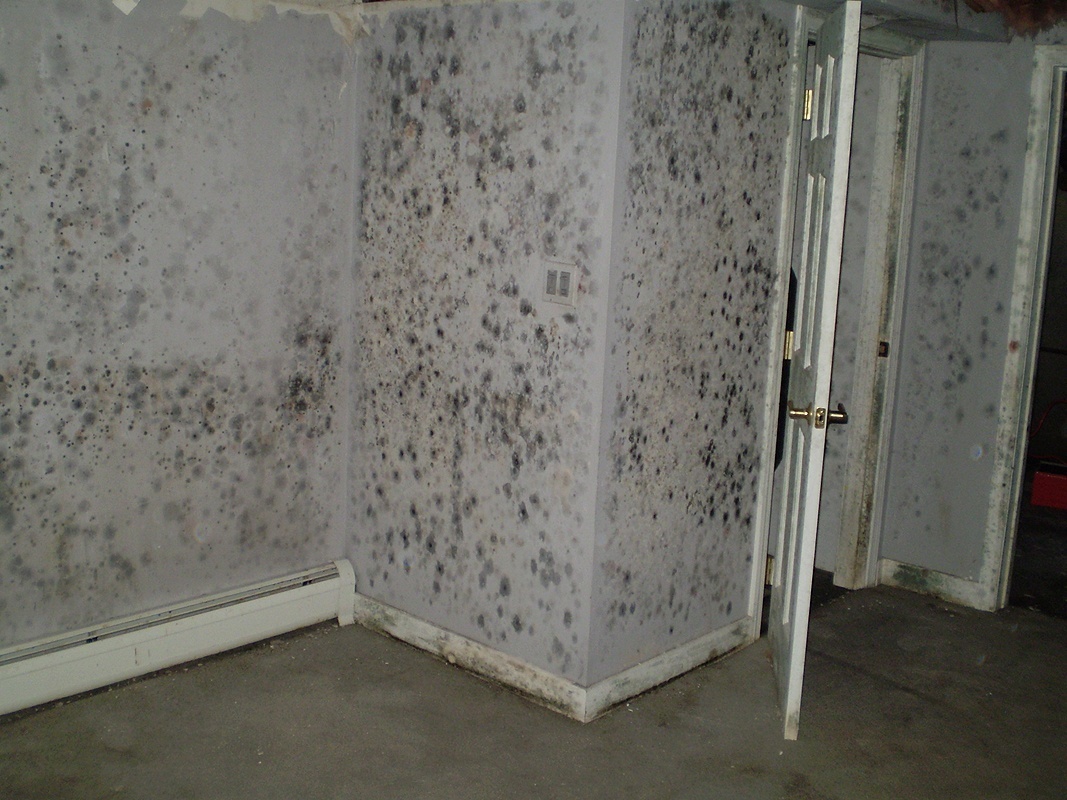
Additionally, Mold Remediation Technicians often work with other home repair and maintenance specialists, including plumbers, drywallers, and carpenters. If a house has experienced a flood, water leak, or other catastrophic mold occurrence, a team of professionals can work together to resolve the problem. Through this joint effort, homeowners can rest assured that the job it done correctly. For instance, they can be certain that the wall studs has been cleaned and free of mold before the new drywall was installed, and that the leaky pipe was repaired before the mold clean-up started.
Hiring a qualified mold remediation company is an important first step in restoring the health of a home and the family who lives there. It is vital that homeowners find a top-quality, experienced, and trusted mold expert so that the job it done correctly and thoroughly. But the actual task of finding the right mold expert may be a daunting one. Word-of-mouth is still the best form of advertising so homeowners should ask around. Friends, family members, co-workers, and neighbors may have had a mold experience and can recommend a mold expert. A personal recommendation from a trusted friend is better than an on-line rating from an anonymous customer.
Knowing the right questions to ask before hiring a mold professional can make the search for the right company run smoother. Is the mold technician insured and certified? A certification will provide proof that the technician actually knows how to remove the mold. After all, anyone can create a professional-looking website. It is important to know that, behind the website, is a knowledgeable and experienced professional with the credentials to do the work.
Ask what type of mold remediation methods the technician uses. The first step in mold remediation is to locate and eliminate the water leak, and then isolate the contaminated materials. The affected surfaces should be cleaned, replaced, or sealed to encapsulate the mold spores. The area needs to be properly ventilated and filtrated, with care being taken to ensure that the mold doesn’t accidentally spread during the remediation process. To reduce the health risks of the mold, every surface should be completely cleaned, and porous materials, such as carpeting and upholstered furniture should be replaces. If the technician is not committed to the cleaning process, mold spores could linger, causing a regrowth and potential health concerns.
Find out if the mold company works closely with other experts, such as plumbers, heating and air conditional technicians, and insulators. Most well-respected mold remediation experts won’t attempt to do more than they can do on their own, and instead, rely on other professionals to repair water leaks, inspect ductwork, and replace insulation, drywall, and carpeting.
Does the mold remediation company stand behind their work? If post-remediation testing shows that mold levels remain unacceptably high, find out how the company responds. Will they do further cleaning and remediation until the environment is safe? A reputable company will do what they can to solve the mold problem, even if it means repeating the work.
Lastly, do they suggest hiring a different company to do a post-remediation test and inspection? If the same company that conducted the remediation is also responsible for doing the after-testing, there is an opportunity for unscrupulous business practices. Instead, ask the mold technicians to agree in writing to the post-remediation standards they will meet, then hire an independent expert to verify that the work has been done to satisfaction. In fact, some states, as well as some mold remediation credentialing organizations, require the post-remediation testing be conducted by a third-party for verification purposes.
In an attempt to save money, many homeowners look upon mold removal as a do-it-yourself project. If the mold is contained to a small area and on an easy-to-clean surface, like bathtub tile, it is possible for the homeowner to do the clean-up himself or herself. But if a large area is covered in mold – greater than a three-foot by three-foot spot –, the mold is invading soft surfaces like carpeting, or the mold is in heating, ventilation, and air conditioning systems, it is necessary to call in the professionals. A professional mold remediation Chicago expert should also get involved if the mold is the result of sewage contamination or contact with hazardous substances. Homeowners with asthma, weakened immune systems, or other chronic medical conditions should not risk further exposure to the mold as it could worsen their health. Mold remediation technicians should also be hired because they have the experience, knowledge and expertise to take care of the mold. The average homeowner is not experienced or equipped to thoroughly eradicate the mold.
Mold is serious business. It can sicken people and cause irreparable damage to buildings. Attempting to remove mold with do-it-yourself home remedies may not fully solve the problem and can end up causing a bigger issue down the road. Mold needs to be attacked aggressively by experienced, trained experts who know where to find the mold, what products to use, and how to clean the materials. Only thorough, professional mold remediation can provide homeowners with the peace of mind of knowing that their home is a safe environment for their families.
In professional mold removal situations just about anything can occur inside a property. There have been properties that have ejector pump, or sump pump issues where by sewage has spat out all over the various rooms and allowed to sit along with festering mold. What a bad combination. Sewer deposits and mold. Needless to say, the smell alone would run anyone away from a property like that. And yet, these are some of the issues that water damage restoration and mold remediation companies’ face when dealing with disaster recovery inside properties that have been left unattended for days, weeks and sometimes months on end. One such property had sewage spew out of a piping in a wall that occurred also from a toilet backup or overflow. The sad situation is that it was in a condo property setting. Let me explain. With a single family home if something happens it generally affects one family and is more contained to the home. With condo or an apartment building then infestation, stench and decay can seep into other adjacent or below condo units. When this happens, more damage takes place and now you have other parties involved. This can get pretty difficult to handle because of insurance reasons. Who pays for it? When do you get paid for it, if at all? Thus, the mold removal professional must be well-organized and good and taking pictures and keeping notes. Sorting out this sordid disaster step by step and doing it systematically at the start will save everyone involved lots of heartache and stress.
How do you move forward? Good communication is the key! Even after coming up with a game plan to get the whole matter resolved and bring the property back to a pre-loss state. There is the need to get everyone involved in on the decision-making. It can cost a professional his business and/or reputation if this not handled properly. You see, in apartment buildings and condo units, walls are separated but sometimes adjoined. Where mold and sewage is concerned, this can take place on a load bearing wall. Or it can happen on a back side of a wall that both parties share. Not to mention if there is ceiling damage involved. So many things can jump out at a professional restoration technician when dealing with multiple parties in a disaster recover issue. Literally, things are sometimes left behind walls and in cavities that one would never even think to find there.
In one such story, a young kid did not want to learn how to play a particular instrument. So in some adroit manner, the child found a way to hide it in the cavity of a wall, unbeknownst to the parents. Mission accomplished. No instrument, no lesson. It wasn’t found out until later when the inspection occurred to sell the property that the instrument was discovered. Funny story, but it highlights the point that anything can exist behind walls and in crevices or cavities. There are even stories of animals sometimes lurking in attics, crawlspaces and in wall cavities. The professional mold remediation technician can face all types of issues and obstacles in trying to get the job done.
Documentation and paperwork, along with plenty of photos can assist in leaving a good trail of what took place and how it was handled.
Another issue that must be given strong consideration is how to handle the property belongings, you know, the furniture, office equipment, appliances and the like. Sometimes due to mold or sewage backup these items may need to be thrown out as they are beyond repair. Try to convince the property owner of that though. Many items have a sentimental value to them and one can understand why the homeowner feels so deeply about the item(s). Certainly, here is where professionalism along with compassion comes into play. Professional restoration technicians are not robots, nor should we act like one. This is a trying moment for anyone who has to deal with a property loss due to water damage, mold, sewage or fire. The homeowner not only needs a skillful restoration person, but also someone who will listen and understand the weight and depth of what they’re facing. Their feelings about this important project can be just as “messy” if you will. From denial, and doubt, to anger and frustration, to we have got to get this matter taken care of immediately. We understand! At this point, the emotions have run the gamut. At this critical point what you need is someone who can help you to relax and think straight. Someone who has seen this type of disaster on many different levels and knows how to put you at ease with a mold removal and remediation program that will get your property where you can breathe freely again. Just remember, it is not impossible! With the right removal process, the right equipment, the right mix of chemicals and a systematic approach to containment, your property can be well on its way to a complete restoration.
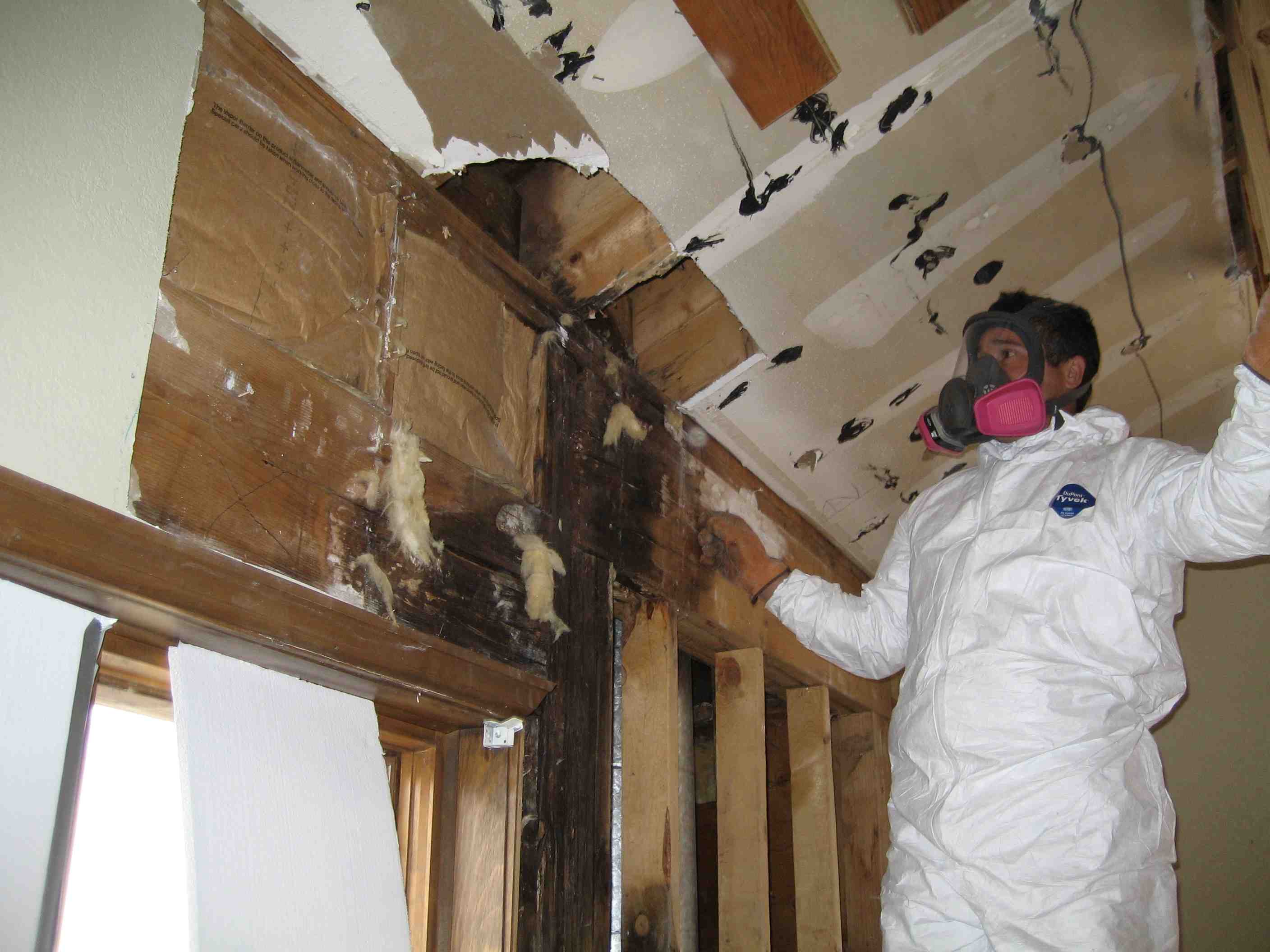
The size and scope of your project might seem overwhelming at first, but when you start to see things put in order and come together, you can exhale. One of the most important parts of any mold removal and mold remediation projects is the proper set up of containment. What is containment, you say? It is a tarp or plastic sheeting that is placed over or around the contaminated area to keep any dangerous spores form escaping into the uncontaminated zones of the property. In other words, it keeps all bacteria from escaping and starting growth in other areas. Therefore, the work can commence, and even if mold or bacteria is disturbed and becomes airborne, it will not go beyond the containment. In addition, vents and window openings should be covered to keep the deadly spores from spreading. HVAC systems can be properly shielded with containment as well.
Now the whole process of getting rid of the mold can get underway. Depending on the type of surface that mold has rested on it will take skill, a bit or elbow grease, and some powerful chemicals to rid your property of mold.
There is so much involved when it comes to removing and killing mold. A temporary fix is not the answer, such as bleach. The mold spores can resurface and start spreading again. Safe to say if there is mold in your property, please do not delay.
Get help from a certified professional mold remediation Chicago contractor as soon as possible.
Get your property back to where you can feel good about it again!
Thursday, March 8, 2018
Attic Mold Removal for Elmwood Park IL
ARE YOU IN NEED OF ATTIC MOLD REMOVAL IN 2018?
We recently went into a residential attic space that had 2 separate attics but co-joined in the middle. One of the attic spaces was a lot larger than the other. The beams in the attic developed a mold and mildew type film on them because of roof leakage. The owners were not aware that there was any type of mold activity going on in the attic. Typically, that is the case when it comes to attic mold. Many homeowners are oblivious to the mold growth because they really never go in the attic, other than to store items or remove items on occasion.What made this situation come to light in the first place is the fact that the homeowners decided to put the house on the market. And as you know, when selling a home there is that necessary home inspection that needs to be done. Well, low and behold, there it was! That stuff that freaks everyone out. MOLD! How did it get there? What caused it? How in the world are we going to get rid of it? Are we going to be able to afford what it may cost to get the matter resolved? And, are we going to be able to properly sell the home, now that we have discovered it?
Well, all is not lost! There is help available. A professional mold remediation company will know exactly the steps to take to get rid of the mold issue you are facing.
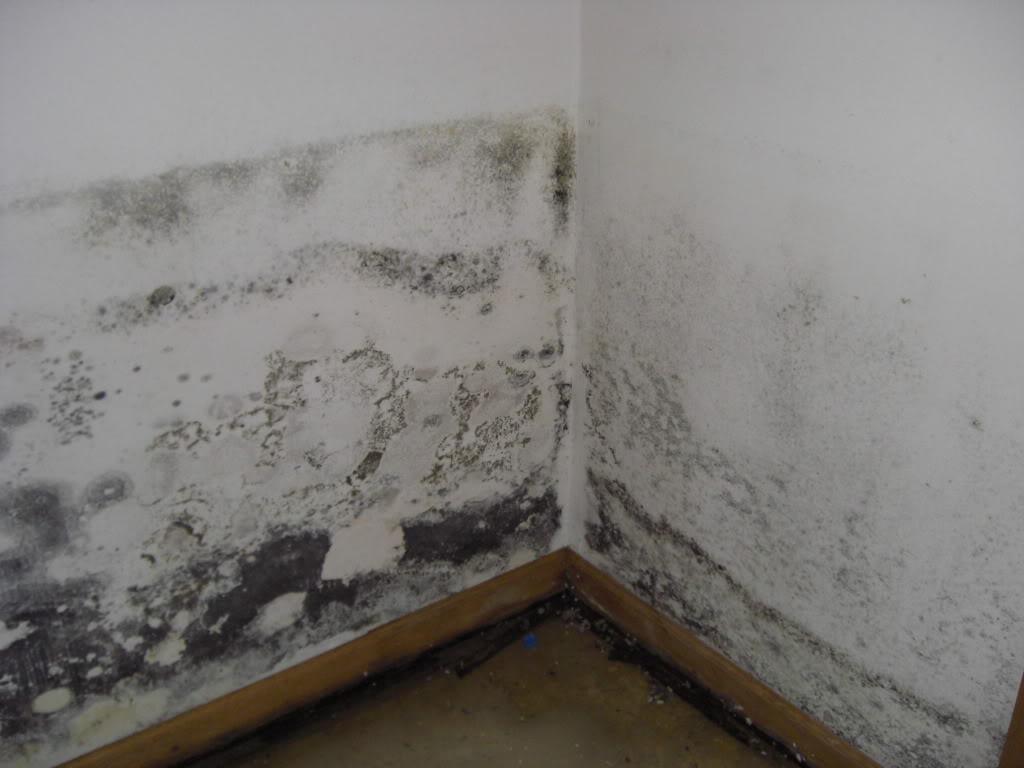
Steps To Take To Fix The Attic Mold Removal Issue
First, the problem of moisture must be taken care of immediately. Is there a continued leak? Is water vapor or condensation somehow seeping into the area? Once that problem is alleviated, then you can move to the next step.Second, securing the area with containment so that none of the mold spores escape into other areas. This means covering exits, vents, ducts, etc. with a good tarp that will keep all activity inside the work area.
Third, the setup of a negative air machine or air scrubber to work with keeping the dust down and the microbes from getting away. This should run, while the work is being done. The goal is to keep down as much disturbance or mold spore activity as possible while the remediation process gets underway.
Fourth, the removal process starts. Whatever chemicals and/or equipment used to get the mold off the surface is necessary. There are many methods to getting this done out there. The remediation specialist can recommend the best one for your situation.
Fifth, an antimicrobial or biocide agent is applied to kill any mold activity on surface. This is a key step in attic mold removal Elmwood Park.
Sixth, we want to let everything dry and the machinery to run for a few days to make sure the air space is properly decontaminated.
Seventh, we want to come back in with an encapsulation coating to prevent anything from escaping and seal the entire space.

Now Your Attic Mold Removal is Done!
With the mold removal and remediation process done the proper and right way, the homeowners can always rest assured that they have just received a job well done!To get more information regarding your attic mold removal Elmwood Park project, click on the name link below:
The CleanUP Guys
Monday, February 5, 2018
Mold Remediation in Chicago IL

Mold
Remediation Chicago - the Conspiracy
How
to Find Mold Remediation Chicago on the Web
If you
discover any mold whatsoever in your home, you should remove it as promptly as
possible and remove the conditions that permit it to grow. Consider how willing
you'll be to knock out the mold by yourself, then earn a determination as to
whether you will have the ability to do it with routine household cleaners.
Mold is unsightly and might be a potential health hazard but sometimes if it is
never too extensive you can eliminate it. After the mold is totally removed you
will then have to take measures to make sure that it doesn't back again. Bread
mold is a type of fungus that is normally found on bread surfaces. It has a
very simple life cycle. If you're interested to see bread mold it's possible to
execute a little experiment with bread.
Ideas,
Formulas and Shortcuts
for
Mold Remediation Chicago
It’s
white and fuzzy and it appears that mold, but it remains unseen because it's
growing beneath the top layer of the soil. Molds are also utilized in the production
of antibiotics. To begin with, you've got to discover the mold. It's not
essential to kill the mold. Another style of removing black mold from porous
materials is using a strong disinfectant like borax powder.
Once
each of the mold was cleaned, use a disinfectant spray to purify the region. It
can be caused by roof leaks in hidden areas of a house and you do not even know
it is happening. Controlling mold involves controlling the quantity of moisture
in the field.
Whenever
there is mold in your home, you don't often see it. There are many types of
mold that every respond to treatment in various ways. Someone that has been
exposed to toxic mold, however, could have more severe complaints.
New
Ideas into Mold Remediation Chicago Never Before Revealed
When
it's flat, it is easy to eliminate the visible signals of molds. As stated,
molds are employed in the creation of cheese. In fact, they are consciously
used for the production of different kind of cheese. When black mold has taken
root in porous materials like wood and concrete you will want to have a
different strategy.
If
mold is an issue in your home, clean up the mold and remove the surplus water
or moisture. It is a threat so your nose knows not to go into that location.
Black mold has also been connected with miscarriage.
Ultimately
though you do have to consider just how you're likely to eradicate the mold as
it's a toxic substance and will require a good deal of protective gear to
eliminate. Mold may have a detrimental effect on your premises value along with
your wellness. Repeat steps until you've cleansed all of the black mold.
Based
on the way the water damage occurred, it could be dealt with by insurance. It
is something that you would never want your house to get affected with. Switch
off the electricity whenever you are handling interior water damage, especially
in case you have rooms with standing water inside them.
The
Honest to Goodness Truth on Mold Remediation
Chicago
If you
cannot find someone in your region, don't hesitate to email me and I will do my
very best to find a skilled installer in your region. If you reside in some area
wherein high humidity levels prevail, then you should keep an eye for black
mold increase and health hazards associated with that. Also when making
laborious effort to tackle an outbreak, make sure the places which are facing
the issue of mold are sealed off from the rest of the home. If you're thinking
about remodeling your house, you need to think about some factors. No need to
buy a cleaning solution in the grocery as you are able to make one at home. If
you find a residential house, you may want to steer clear of that vendor. Many
homes and companies sit right in the center of flood zones, so it is necessary
to understand what things to do should you experience water damage.
The
Good, the Bad and Mold Remediation Chicago
There
are variety of way by which water can enter your home. You search the home and
find your glass block window is cracked. Adhere to the mold odor, and you will be
on your way to kicking it out of your residence.
The
Importance of Mold Remediation Chicago
In the
event the water is discolored every morning, in the event the water clears
after a couple of minutes, in the event the discoloration is at one faucet, or
in the event the discoloration is in your hot water, the problem is in your
home plumbing. Now that you've stopped the water from leaking, you wish to
minimum the quantity of water damage. Water and humidity are essential for
molds to raise and amplify. To learn more about mold removal and mold remediation in Chicago contact The CleanUP Guys today!
Thursday, January 25, 2018
Mold Remediation and Removal Chicago IL
Mold Remediation…Doing The Right Thing
We all know that water damage restoration involves water removal as well as drying out of the damaged area. What fewer folks talk about is the third step in the process, the removal and Chicago removal of mold. Mold is almost always present in some form following a water damage event, and your restoration project cannot be deemed complete until it has been taken care of. Without handling this part of the project to its full completion, that is, making sure that you kill the bacteria that is present you will almost always have to deal with the issue again sometime in the near future. Mold is a bacteria that finds ways to proliferate, especially where unnecessary moisture is concerned.Mold is one of the most serious aftereffects of water damage, because it can establish itself rapidly and prove almost impossible to get rid of. Mold remediation Chicago should only be performed by a qualified, competent professional, especially in cases where the growth is at an advanced stage. Get the professionals at mold removal in Chicago to provide first rate, guaranteed Chicago mold remediation services.
The mold remediation clean up and repair efforts that follow flood events are major projects, and best left to the professionals with the proper experience and equipment. The extent of damage is simply more than abilities of most homeowners to handle on their own, and mold remediation, if not properly handled, can have long lasting, destructive effects on homes or businesses. Many customers try to handle the problem themselves, only to find out later that steps were missed, and the mold has returned with a vengeance.
In the event of mold remediation, rapid response is important, but take enough time to do it right. Not all emergency mold remediation providers are created equal. There is always a temptation to rush and get it done, but choosing the wrong company to get your project out of the way, may only serve to make a bad situation worse. Mold presents all kinds of health hazards, which means the job needs to be done correctly the first time in order to keep everyone in good health. All items in the infected areas of space need to be dealt with properly. Cleaning and sanitizing, discarding, and removing items that are not salvageable will protect the environment from further contamination. Properly setting up containment barriers to keep the bacteria in one centralized area will assist in preventing its spread.
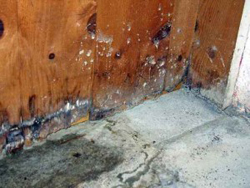
Your property will require not only water extraction and removal, repair to damaged items or furniture, drying of carpets, flooring, and drywall (along with appropriate cleaning, disinfecting, and sanitizing) but it will also require mold remediation, as well as structural repair or even reconstruction. Mold can be completely devastating to any property. If water is allowed to sit too long, the mold bacterium starts the eating and growth process. It is very difficult to stop it once it starts. Unfortunately, many property owners allow their building to just sit as if the problem will go away on its own. Professional help should be sought after immediately without delay.
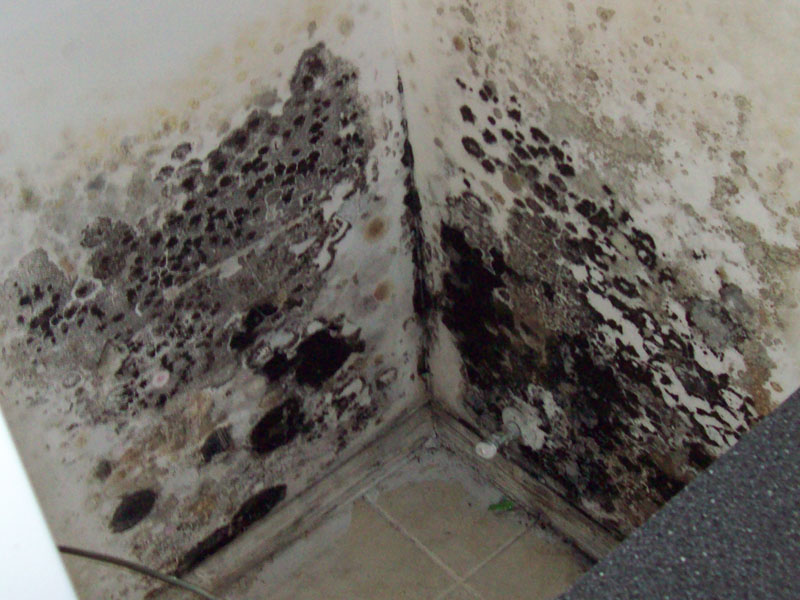
Obviously, these are not jobs to be undertaken by the novice. Contact a local, professional emergency mold remediation Chicago IL company like The CleanUP Guys that offer up to date, industrial-grade equipment, manned by trained IICRC certified technicians who can take proper care of your home and possessions throughout the process.
Monday, January 8, 2018
Get The Facts About Black Mold in Wilmette, IL

What Do You Really Know About Black Mold?
What is Mold?
Molds is a fungus that lives inside houses and outdoors. The number of species of this fungi ranges somewhere around four thousand or so. They assist in the breakdown of different organic materials. The colorful substance you see on your bread, or types of food when they spoil are mold forming in its early stages. They usually grow in damp places, but would not survive in dry surroundings. However, mold spores can thrive in dry conditions. They play an important role in biodegradation. They are also useful in the manufacture of drugs, biological materials, drinks, and food. In addition, they can cause diseases in humans, in the form of allergies, where people consume them.
Where Mold Can Hide
Wherever there is humidity, there you will find mold. The only thing mold needs to thrive is a dampness level above fifty-five percent. They grow inside properties and on the outside. They will proliferate on spoiled food. Anything from bread, potatoes to other consumable items. They can also be found other porous surfaces like, on wet roofs, and on damp rugs, chairs. In addition, bathrooms that are not attended to regularly can carry the mold bacteria. They often come in different colors, they can appear black, brown and sometimes greenish.
How to Reduce the Spread and Contamination of Mold
Those with allergies should be very careful putting themselves in environments where mold is known to grow. Like old buildings that leak from the rooftop, or dumping areas that are in the open. The growth of mold in Wilmette IL can be controlled in the house by ensuring proper ventilation and keeping the dampness level low. An effective air conditioner can automatically keep the humidity level below the necessary 55%. This prevents the growth of mold. Mold cannot thrive without cellulose. It would be a good idea to have your air conditioner checked once a year to be sure it is functioning at top quality.
Avoid exposure by protecting yourself with gloves, then carefully remove them, and try to eliminate whatever could have been responsible for the extra humidity. Certain types of mold can be eliminated easily by using simple methods to eradicate the problem. These include using bleach, water, and detergents.

What Effect do Molds Have on People?
Some have bacteria and/or mold sensitivities, that tend to trigger at the sight or smell of it. The following are the symptoms they get when they are exposed to mold
1. Nausea
2. Problems concentrating
3. Pains in the joint
4. Stiffness in the joints, especially in the morning
5. Skin reactions, itching
6. Some parts of the skin can become numbed
7. Pain in the abdomen
8. Lightheadedness and vertigo
9. The eyes might become red, blurred vision
10. Nasal congestion
1. Nausea
2. Problems concentrating
3. Pains in the joint
4. Stiffness in the joints, especially in the morning
5. Skin reactions, itching
6. Some parts of the skin can become numbed
7. Pain in the abdomen
8. Lightheadedness and vertigo
9. The eyes might become red, blurred vision
10. Nasal congestion
Poisonous Mold Could be Near You
You would know there is mold where you stay if the dampness is more than fifty-five percent. A humidity level above this figure puts you at risk of toxic exposure. The most common toxic one is the Black Mold. It can also carry a greenish coloration. Black mold is quite common in different regions of the planet. They can be found in house materials, such as chairs, rugs, ceilings etc. Black mold can be extremely toxic and should be dealt with by a professional mold remediation company in Wilmette IL to kill it permanently.
A Leaking Roof is Often Accompanied by the Development of Mold
If there happens to be increased moisture in the roof, there lies a strong possibility of the development of mold. As said earlier, mold thrives wherever the dampness of a place is fifty-five percent or above. It is best to have this matter addressed as soon as possible to prevent the growth and spread of any mold. Water stain patterns is a clear indication that mold is on its way. Water that finds its way down a leaky roof and into your property should be taken care of immediately. Drywall can act as a conduit for mold. If you notice that your roof is leaking, it’s important to call a mold removal professional to come check it out. It can be a bit pricey, changing the affected ceiling. Sometimes insurance companies may assist in the damages that are incurred from a leaky roof.
Toxic Mold Syndrome
The toxic mold syndrome has lately been a serious health concern because of the harm it’s capable of doing if not well controlled. However, many people are not aware of the diseases they can cause. Moreover, the study of mold and its health implications on a man is quite complex and complicated, which has subsequently led to a delay of our overall understanding of its toxins and the effect they have on our health.
As earlier stated, not all mold is poisonous. There are species that are poisonous, and capable of harming humans, toxic molds. They produce toxins, which trigger inflammatory reactions, especially in sensitive individuals such as skin reactions, itching, some parts of the skin can become numbed, abdominal pain, dizziness, vertigo, and eyes might become red, blurred vision, nasal congestion.
These two main examples of toxic mold are responsible for Chronic Inflammatory Response Syndrome. This is the body’s reaction to the presence of poisonous substances that it cannot eliminate, and can cause inflammatory reactions and diseases in the body. However, this doesn’t happen to everyone, only some sensitive people, who are genetically susceptible to mold toxins, and can’t detoxify them efficiently.

Black Mold
This is the most common variant of toxic mold. It appears black in color, sometimes with a tint of green. It produces a toxin called “trichothecenes”. This toxin is one the most lethal fungal toxins. They are, however, more dangerous when they are inhaled, that swallowed.
Below are some of the effects of this toxin on human health;
1. Nausea
2. Problems concentrating
3. Pains in the joint
4. Stiffness in the joints, especially in the morning
5. Skin reactions, itching
6. Some parts of the skin can become numbed
7. Pain in the abdomen
8. Lightheadedness and vertigo
9. The eyes might become red, blurred vision
10. Nasal congestion
11. Problems remembering events and activities
12. Difficulty recalling words
13. Difficulty in concentration
14. Problems with focusing and learning.
Below are some of the effects of this toxin on human health;
1. Nausea
2. Problems concentrating
3. Pains in the joint
4. Stiffness in the joints, especially in the morning
5. Skin reactions, itching
6. Some parts of the skin can become numbed
7. Pain in the abdomen
8. Lightheadedness and vertigo
9. The eyes might become red, blurred vision
10. Nasal congestion
11. Problems remembering events and activities
12. Difficulty recalling words
13. Difficulty in concentration
14. Problems with focusing and learning.
Toxic mold syndrome is often times confused with mental diseases, because of the similarities in their symptoms such as difficulty recalling words, concentration, and problems with focusing and learning.
Complications of black mold toxic syndrome
Below are a few of the complications of the black mold toxic syndrome;
Complications of black mold toxic syndrome
Below are a few of the complications of the black mold toxic syndrome;
1. Reduction in the synthesis of protein
2. Immune suppression, this also facilitates the toxicity of this poison in the body
3. Lung diseases
4. Pulmonary hemorrhage: This is a condition in which there is bleeding from the lungs, and also from the upper part of the respiratory system. This condition could be life-threatening, especially when it shows clinically.
2. Immune suppression, this also facilitates the toxicity of this poison in the body
3. Lung diseases
4. Pulmonary hemorrhage: This is a condition in which there is bleeding from the lungs, and also from the upper part of the respiratory system. This condition could be life-threatening, especially when it shows clinically.
Aspergillus Mold
Aspergillus is another toxic species of molds. Unlike the Wilmette IL black mold, it’s blackish grey in color. Aspergillus are mostly found indoors. They have an affinity for human lungs, however, they also affect other parts of the body, like the facial sinuses. The symptoms are quite similar to that of black molds;
1. The eyes might become red, blurred vision
2. Nasal congestion
3. Problems remembering events and activities
4. Difficulty recalling words
5. Difficulty in concentration
6. Pain in the abdomen
7. Lightheadedness and vertigo
8. Nausea
9. Pains in the joint
10. Stiffness in the joints, especially in the morning
11. Skin reactions, itching
12. Some parts of the skin can become numbed
13. Problems concentrating
14. Problems with focusing and learning.
1. The eyes might become red, blurred vision
2. Nasal congestion
3. Problems remembering events and activities
4. Difficulty recalling words
5. Difficulty in concentration
6. Pain in the abdomen
7. Lightheadedness and vertigo
8. Nausea
9. Pains in the joint
10. Stiffness in the joints, especially in the morning
11. Skin reactions, itching
12. Some parts of the skin can become numbed
13. Problems concentrating
14. Problems with focusing and learning.
Allergic aspergillosis could be a grave health condition. It occurs when individuals inhale the spores of the fungus. This trigger an immune reaction in the body, accompanied by symptoms such as coughing, fever, hematemesis etc.
A close relative of the aspergillosis is the S. chartarum, has very dangerous toxins too. Its toxins are capable of causing the following conditions
1. Sinusitis
2. Sepsis that can eventually lead to failure of the organs
3. Pulmonary hemorrhage: a condition in which there is bleeding from the lungs, and also from the upper part of the respiratory system. This condition is acute and could be life-threatening, especially when it shows clinically.
4. They the aspergillus can come together, to form a ball, which can grow in vital organs. This is called Aspergilloma.
A close relative of the aspergillosis is the S. chartarum, has very dangerous toxins too. Its toxins are capable of causing the following conditions
1. Sinusitis
2. Sepsis that can eventually lead to failure of the organs
3. Pulmonary hemorrhage: a condition in which there is bleeding from the lungs, and also from the upper part of the respiratory system. This condition is acute and could be life-threatening, especially when it shows clinically.
4. They the aspergillus can come together, to form a ball, which can grow in vital organs. This is called Aspergilloma.
The routes through which Aspergillus enters the body are;
1. Nasal route: Since mold propagates through spores, their spores can be easily inhaled. This is why it’s important to get rid of them whenever you notice them in your house or environment.
2. Oral route: Spores can be ingested. This happens when the spores are on food, and people consume them intentionally or not. It can also enter through cuts
3. Skin: The spores produced by Aspergillus are so minute that they can easily be absorbed by the skin.
4. They can also be passed from in utero. This means that a pregnant mother can infect the fetus with the toxin.
1. Nasal route: Since mold propagates through spores, their spores can be easily inhaled. This is why it’s important to get rid of them whenever you notice them in your house or environment.
2. Oral route: Spores can be ingested. This happens when the spores are on food, and people consume them intentionally or not. It can also enter through cuts
3. Skin: The spores produced by Aspergillus are so minute that they can easily be absorbed by the skin.
4. They can also be passed from in utero. This means that a pregnant mother can infect the fetus with the toxin.
The above can be prevented by simply avoiding any contact with mold and removing them from your property. A Wilmette IL professional mold removal company will have the best methods and procedures for getting rid of mold in Wilmette IL permanently in your property.
Subscribe to:
Posts (Atom)