Showing posts with label mold removal. Show all posts

Thursday, January 31, 2019

Damage Restoration Services Chicago


DAMAGE RESTORATION & RECOVERY IN CHICAGO

Our discussion begins with a project that we handled right here in Chicago. It was one of the dirtiest of environments and had to be handled with kid gloves. Which meant full respirators and we were donned in full restoration regalia to protect ourselves from bacteria, dust, microbes, etc. 


Let’s set the stage

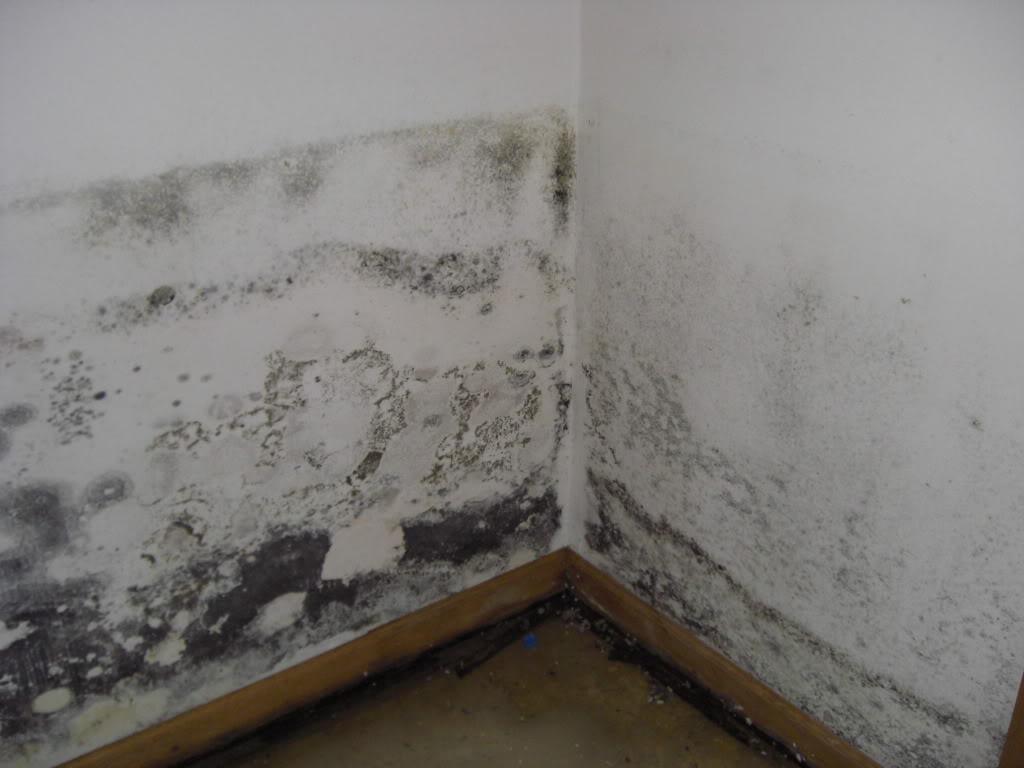
When a property is left unattended or abandoned, all sorts of problems start to surface. One of the most lethal can begin as black mold on drywall or in flooring. This is what we were facing. Oh, and I almost forgot, sewage contamination to boot. It was going to take a meticulous program of demolition, removal, decontamination, sanitization, cleaning and proper dry out. We’ve seen this monster before. 

Mold Remediation Chicago IL


Neglected Properties

In the Chicagoland area it is not uncommon to deal with properties that have just been completely neglected of any type of attention or care. This is one of those projects. What some in the industry call a complete “gut out” project. Everything must go! It would be a long, arduous undertaking to get the property back to where it can be restored and made new again.

The Restoration Process Begins

One of the first things that we had to accomplish is get rid of the nasty sewage that sat for months in this unhealthy environment. How do we do that without contaminating ourselves and the outside environment? Containment. Yes, setting up a barrier that serves as a buffer between the dirty, contaminated environment and the clean one. To transfer any of the unwanted infected areas into a clean space would be counterproductive. After containing the space, we set about the cleanup. Chicago sewage cleanup is not an easy task to say the least. You never know what you will find there. Even with full respirators there is the apparent need to step away from the environment and breathe fresh air at certain intervals. 

Chicago Sewage Cleanup


The next step is depositing or getting rid of the contamination in proper bagging so that it can be transported away safely. You can just imagine how tough this would be. Next, we start the process of removal of debris and contamination on the flooring and other surfaces. This would prepare us for the demolition portion of the job, as many of the materials, wood, drywall and the like have to be torn out and discarded, down to the studs.  A thorough HEPA vacuuming of the area served to help reduce dust, microbes and other loose debris that could disturb the project. A HEPA air scrubber would be administered to clean the air space and get rid of airborne microbes and dust.

Decontamination could now begin with antimicrobial products and biocide chemicals to kill dangerous bacteria. Along with a good cleaning and sanitizing with a liquid detergent. Now the area started to breathe right again. Since it had so much moisture, we decided it a great idea to administer commercial dehumidifiers, and air movers to assist with lowering humidity and dry out.
In the mold remediation Chicago IL process, it was necessary to make sure that no dangerous bacteria remained, or as little as possible. You can never completely rid an environment of ANY bacteria at all. Some will remain. But the idea was to get rid of the dangerous stuff and keep the levels of what remained at a point where it is not harmful to the environment or those in use of it.

When water damage occurs a complete dry out must take place, otherwise the bacteria that causes mold can find a way to start up again. Moisture elimination is a very important key to doing the project right! It could take 3 to 7 days for a good dry out to take place, depending on the structure and environment. This one took about 6. Levels had to be tested daily to ensure that we reached a good drying effort, before any rebuild could take place, along with a proper air test to reveal the results of our efforts.

WE DID IT! A job well done. And the customer was happy with the restoration project. On to the next one!

Thursday, March 8, 2018

Attic Mold Removal for Elmwood Park IL

ARE YOU IN NEED OF ATTIC MOLD REMOVAL IN 2018?

We recently went into a residential attic space that had 2 separate attics but co-joined in the middle.  One of the attic spaces was a lot larger than the other.  The beams in the attic developed a mold and mildew type film on them because of roof leakage.  The owners were not aware that there was any type of mold activity going on in the attic.  Typically, that is the case when it comes to attic mold.  Many homeowners are oblivious to the mold growth because they really never go in the attic, other than to store items or remove items on occasion.

What made this situation come to light in the first place is the fact that the homeowners decided to put the house on the market.  And as you know, when selling a home there is that necessary home inspection that needs to be done.  Well, low and behold, there it was!  That stuff that freaks everyone out.  MOLD!  How did it get there?  What caused it?  How in the world are we going to get rid of it?  Are we going to be able to afford what it may cost to get the matter resolved?  And, are we going to be able to properly sell the home, now that we have discovered it?

Well, all is not lost!  There is help available.  A professional mold remediation company will know exactly the steps to take to get rid of the mold issue you are facing.


Steps To Take To Fix The Attic Mold Removal Issue

First, the problem of moisture must be taken care of immediately.  Is there a continued leak?  Is water vapor or condensation somehow seeping into the area?  Once that problem is alleviated, then you can move to the next step.
Second, securing the area with containment so that none of the mold spores escape into other areas.  This means covering exits, vents, ducts, etc. with a good tarp that will keep all activity inside the work area.
Third, the setup of a negative air machine or air scrubber to work with keeping the dust down and the microbes from getting away.  This should run, while the work is being done.  The goal is to keep down as much disturbance or mold spore activity as possible while the remediation process gets underway.
Fourth, the removal process starts.  Whatever chemicals and/or equipment used to get the mold off the surface is necessary.  There are many methods to getting this done out there.  The remediation specialist can recommend the best one for your situation.
Fifth, an antimicrobial or biocide agent is applied to kill any mold activity on surface. This is a key step in attic mold removal Elmwood Park.
Sixth, we want to let everything dry and the machinery to run for a few days to make sure the air space is properly decontaminated.
Seventh, we want to come back in with an encapsulation coating to prevent anything from escaping and seal the entire space.


Now Your Attic Mold Removal is Done!

With the mold removal and remediation process done the proper and right way, the homeowners can always rest assured that they have just received a job well done!
To get more information regarding your attic mold removal Elmwood Park project, click on the name link below:
The CleanUP Guys

Monday, January 8, 2018

Get The Facts About Black Mold in Wilmette, IL


What Do You Really Know About Black Mold?

What is Mold?

Molds is a fungus that lives inside houses and outdoors. The number of species of this fungi ranges somewhere around four thousand or so. They assist in the breakdown of different organic materials. The colorful substance you see on your bread, or types of food when they spoil are mold forming in its early stages. They usually grow in damp places, but would not survive in dry surroundings. However, mold spores can thrive in dry conditions. They play an important role in biodegradation. They are also useful in the manufacture of drugs, biological materials, drinks, and food. In addition, they can cause diseases in humans, in the form of allergies, where people consume them.

Where Mold Can Hide

Wherever there is humidity, there you will find mold. The only thing mold needs to thrive is a dampness level above fifty-five percent. They grow inside properties and on the outside. They will proliferate on spoiled food. Anything from bread, potatoes to other consumable items. They can also be found other porous surfaces like, on wet roofs, and on damp rugs, chairs. In addition, bathrooms that are not attended to regularly can carry the mold bacteria. They often come in different colors, they can appear black, brown and sometimes greenish.

How to Reduce the Spread and Contamination of Mold

Those with allergies should be very careful putting themselves in environments where mold is known to grow. Like old buildings that leak from the rooftop, or dumping areas that are in the open. The growth of mold in Wilmette IL can be controlled in the house by ensuring proper ventilation and keeping the dampness level low. An effective air conditioner can automatically keep the humidity level below the necessary 55%. This prevents the growth of mold. Mold cannot thrive without cellulose. It would be a good idea to have your air conditioner checked once a year to be sure it is functioning at top quality.
Avoid exposure by protecting yourself with gloves, then carefully remove them, and try to eliminate whatever could have been responsible for the extra humidity. Certain types of mold can be eliminated easily by using simple methods to eradicate the problem. These include using bleach, water, and detergents.

What Effect do Molds Have on People?

Some have bacteria and/or mold sensitivities, that tend to trigger at the sight or smell of it. The following are the symptoms they get when they are exposed to mold
1. Nausea
2. Problems concentrating
3. Pains in the joint
4. Stiffness in the joints, especially in the morning
5. Skin reactions, itching
6. Some parts of the skin can become numbed
7. Pain in the abdomen
8. Lightheadedness and vertigo
9. The eyes might become red, blurred vision
10. Nasal congestion

Poisonous Mold Could be Near You

You would know there is mold where you stay if the dampness is more than fifty-five percent. A humidity level above this figure puts you at risk of toxic exposure. The most common toxic one is the Black Mold. It can also carry a greenish coloration. Black mold is quite common in different regions of the planet. They can be found in house materials, such as chairs, rugs, ceilings etc. Black mold can be extremely toxic and should be dealt with by a professional mold remediation company in Wilmette IL to kill it permanently.

A Leaking Roof is Often Accompanied by the Development of Mold

If there happens to be increased moisture in the roof, there lies a strong possibility of the development of mold. As said earlier, mold thrives wherever the dampness of a place is fifty-five percent or above. It is best to have this matter addressed as soon as possible to prevent the growth and spread of any mold. Water stain patterns is a clear indication that mold is on its way. Water that finds its way down a leaky roof and into your property should be taken care of immediately. Drywall can act as a conduit for mold. If you notice that your roof is leaking, it’s important to call a mold removal professional to come check it out. It can be a bit pricey, changing the affected ceiling. Sometimes insurance companies may assist in the damages that are incurred from a leaky roof.

Toxic Mold Syndrome

The toxic mold syndrome has lately been a serious health concern because of the harm it’s capable of doing if not well controlled. However, many people are not aware of the diseases they can cause. Moreover, the study of mold and its health implications on a man is quite complex and complicated, which has subsequently led to a delay of our overall understanding of its toxins and the effect they have on our health.
As earlier stated, not all mold is poisonous. There are species that are poisonous, and capable of harming humans, toxic molds. They produce toxins, which trigger inflammatory reactions, especially in sensitive individuals such as skin reactions, itching, some parts of the skin can become numbed, abdominal pain, dizziness, vertigo, and eyes might become red, blurred vision, nasal congestion.
The two main types of toxic mold are:
1. Black Mold
2. Aspergillus
These two main examples of toxic mold are responsible for Chronic Inflammatory Response Syndrome. This is the body’s reaction to the presence of poisonous substances that it cannot eliminate, and can cause inflammatory reactions and diseases in the body. However, this doesn’t happen to everyone, only some sensitive people, who are genetically susceptible to mold toxins, and can’t detoxify them efficiently.

Black Mold

This is the most common variant of toxic mold. It appears black in color, sometimes with a tint of green. It produces a toxin called “trichothecenes”. This toxin is one the most lethal fungal toxins. They are, however, more dangerous when they are inhaled, that swallowed.
Below are some of the effects of this toxin on human health;
1. Nausea
2. Problems concentrating
3. Pains in the joint
4. Stiffness in the joints, especially in the morning
5. Skin reactions, itching
6. Some parts of the skin can become numbed
7. Pain in the abdomen
8. Lightheadedness and vertigo
9. The eyes might become red, blurred vision
10. Nasal congestion
11. Problems remembering events and activities
12. Difficulty recalling words
13. Difficulty in concentration
14. Problems with focusing and learning.
Toxic mold syndrome is often times confused with mental diseases, because of the similarities in their symptoms such as difficulty recalling words, concentration, and problems with focusing and learning.
Complications of black mold toxic syndrome
Below are a few of the complications of the black mold toxic syndrome;
1. Reduction in the synthesis of protein
2. Immune suppression, this also facilitates the toxicity of this poison in the body
3. Lung diseases
4. Pulmonary hemorrhage: This is a condition in which there is bleeding from the lungs, and also from the upper part of the respiratory system. This condition could be life-threatening, especially when it shows clinically.

Aspergillus Mold

Aspergillus is another toxic species of molds. Unlike the Wilmette IL black mold, it’s blackish grey in color. Aspergillus are mostly found indoors. They have an affinity for human lungs, however, they also affect other parts of the body, like the facial sinuses. The symptoms are quite similar to that of black molds;
1. The eyes might become red, blurred vision
2. Nasal congestion
3. Problems remembering events and activities
4. Difficulty recalling words
5. Difficulty in concentration
6. Pain in the abdomen
7. Lightheadedness and vertigo
8. Nausea
9. Pains in the joint
10. Stiffness in the joints, especially in the morning
11. Skin reactions, itching
12. Some parts of the skin can become numbed
13. Problems concentrating
14. Problems with focusing and learning.
Allergic aspergillosis could be a grave health condition. It occurs when individuals inhale the spores of the fungus. This trigger an immune reaction in the body, accompanied by symptoms such as coughing, fever, hematemesis etc.
A close relative of the aspergillosis is the S. chartarum, has very dangerous toxins too. Its toxins are capable of causing the following conditions
1. Sinusitis
2. Sepsis that can eventually lead to failure of the organs
3. Pulmonary hemorrhage: a condition in which there is bleeding from the lungs, and also from the upper part of the respiratory system. This condition is acute and could be life-threatening, especially when it shows clinically.
4. They the aspergillus can come together, to form a ball, which can grow in vital organs. This is called Aspergilloma.
The routes through which Aspergillus enters the body are;
1. Nasal route: Since mold propagates through spores, their spores can be easily inhaled. This is why it’s important to get rid of them whenever you notice them in your house or environment.
2. Oral route: Spores can be ingested. This happens when the spores are on food, and people consume them intentionally or not. It can also enter through cuts
3. Skin: The spores produced by Aspergillus are so minute that they can easily be absorbed by the skin.
4. They can also be passed from in utero. This means that a pregnant mother can infect the fetus with the toxin.
The above can be prevented by simply avoiding any contact with mold and removing them from your property. A Wilmette IL professional mold removal company will have the best methods and procedures for getting rid of mold in Wilmette IL permanently in your property.

Monday, September 18, 2017

Mold Remediation Processes in Lake Forest IL


Different Types of Mold Remediation

Let’s review the different levels of Lake Forest IL mold remediation that you need to be aware of when deciding upon a program. We have five levels of mold remediation that you should use. If you are thinking about getting a professional mold remediation company or not.

Mold Remediation: Small area spaces (10 square feet or less)

You might be able to take care of this yourself, but you can always count a mold remediation company to handle it thoroughly and properly. We find this type of mold visible on ceiling spaces and some wall spaces. Mold remediation should be handled with personal protective paraphernalia such as gloves, disposable respirators and eye protection gear. No family members, children or pets should be around the contamination. Containment should be strongly considered when handling mold removal in Lake Forest IL, so that spores are not released into the air and float into adjacent areas. You want to remove materials that cannot be cleaned from the space.

Mid-sized isolation spaces (10-30 square feet)

The same protocol for the previous circumstance would apply here. All the materials to be relocated should be appropriately bagged and tied before leaving the contaminated space. The entire area can be wiped down with a professional grade antimicrobial product.  Do not forget to HEPA vacuum the entire space at least twice.

Large isolation spaces (30- 100 square feet)

Visible mold starts to surface more frequently I larger swaths and maybe discoloration on different levels. Apply the 2 previous protocols or space parameters here as well. We want to include or administer a thick enough mylar plastic, ¼” or more to seal all the air movements around the work areas. As mentioned previously no one should be allowed in the containment areas without proper protective equipment. Maintain a completely dry and visibly free from mold environment.
 

Heavily spread contamination (more than 100 square feet)

                                                                           
In this case, a professional hygienist needs to be consulted as there are serious health and safety risks involved and could case breathing and skin issues. A professional hygienist receives training in mold investigations (mold remediation).  They can make the right recommendations BEFORE the start of your project.  They will certify documents and etiquette to be used in the cleanup and removal process, along with chemicals necessary and type of equipment needed.  Each person working in the infected area should put on protective outfits that are disposable to prevent mold spore from spreading to other parts of the property. Containment is absolutely necessary here. Close off all openings, windows, doorways, vents, etc. Careful count of the bacteria in the air is necessary, as well as monitoring humidity levels to keep the environment as dry as possible.

Air Conditioner and HVAC Network

It is certainly recommended that all mold infestation in air conditioners and HVAC systems should be left to the Lake Forest IL professional mold remediation companies who know how to handle this phase properly. The HVAC system should be shut down before commencing with the work and remove anything that can support the growth of mold and seal it in a plastic bag. Antimicrobial agents that are designated to prevent the growth of the mold should be used generously.