Saturday, March 27, 2021

Wednesday, September 30, 2020
Thursday, July 30, 2020
Thursday, May 7, 2020
Wednesday, March 11, 2020
Monday, March 9, 2020
Basement Cleaning Chicago IL
Basement Cleaning Services in Chicago, IL
The Musty Basement
Fixing a musty basement is a chore that must be done quickly yet can be very frustrating. Trying to chase down a musty odor is not easy. It’s a restoration project that is crucial to you enjoying your home.
A smelly basement is not just an odor problem; it usually indicates something more severe is going on. What you are smelling could be just damp materials, but it could also be mold growing, and the off-gassing of that process. This isn’t pleasant nor healthy.
There are several steps you, as a homeowner, can take to help fix this issue.
 |
| Basement Cleaning Chicago |
Step #1
Doing some simple cleaning can accomplish quite a bit. Keeping things clean – and dry – is key to curbing the smells that can come from a basement. Take the time to inspect all the materials in your basement and take out and clean those that might be damp or have an odor. A little suspicion goes a long way.
Most likely, these items that could have odor issues are porous materials, such as clothing, bedding, and similar items. Have your carpet cleaned professionally, if there is carpet in the basement. Using a home carpet cleaning machine might actually do more damage than good. Hire a basement cleaning in Chicago pro.
Step #2
Look at the sources of potential musty odors. Windows that are drafty, walls the seep in water, anything that can create odors should be inspected and addressed. Remember that musty smells usually come from mold growth.
Step #3
Although you may think that your basement is nice and dry, it might not be. The only way is to monitor the humidity level. You can do this with a hand-held device, the type your restoration pros use, but that may not be practical for you. Those devices can be very expensive.
Better yet is to set up a dehumidifier that has that information on it with its display. This way, you can run the dehumidifier as needed to keep the humidity at the level you want it to be. The lower the humidity, the less you should experience musty odors in the basement.
And the absolute best way to know if those musty smells from the basement are due to water intrusion, or other restoration issues, and what to do about them, is to consult with your favorite basement cleaning and water damage professionals, The CleanUP Guys.
After all, it pays to call a pro!
Water Damage Restoration in Chicago IL
Evidence of Water Damage
When something fails, such as a high-pressure fresh water source to your toilet… or perhaps a leaky drain pipe underneath the kitchen sink… no matter what it may be, you usually know what to do.
You know the drill… clean it up, get it dry, and call a professional water damage restoration company to ensure all is good and there is no possible way mold can grow. You want peace of mind, and this is the way to get it.
However, sometimes you just don’t know when things happen, when things leak or when water intrusion occurs — because it can be slowly invasive and build up over time.
There are several steps to determining if you have an actual water damage situation and when you must call a pro — and when you can do it yourself. Remember, you can’t be too cautious with the well-being of your loved ones.
The nose knows
Damp and wet areas affected by water intrusion demonstrate themselves after a day or two with a very easy to detect odor. It will just smell wet, musty, and unhealthy. If you detect anything like that, it’s time to do some serious investigating. You may not actually see the water intrusion, but no doubt it is probably there.
 |
| Water Damage Restoration Chicago IL |
Surface damage
You can often see swelling materials, such as the particle board under a sink, providing evidence of water intrusion. When things buckle, even if you notice it after the surface has dried, there is potential of subsequent water damage, because if it leaked once… it will again!
Stains
You can usually see this in the ceilings and areas around water sources. Sometimes it is around windows. If you detect water marks (think of a carpet under a water fountain in a building) then you need to put your investigative hat on and figure out if it is a big deal or not — and most likely, it will be a big deal.
Water Damage Restoration Chicago IL
The evidence of water damage can be easy to see, and sometimes it hides and continues to affect surfaces and your health until it becomes a serious issue. If you have any water damage issues or questions, do the right thing. Call your favorite water damage professional company The CleanUP Guys today. After all, it pays to call a pro!
Saturday, February 16, 2019
Thursday, January 31, 2019
Damage Restoration Services Chicago
DAMAGE RESTORATION
& RECOVERY IN CHICAGO
Our
discussion begins with a project that we handled right here in Chicago. It was
one of the dirtiest of environments and had to be handled with kid gloves.
Which meant full respirators and we were donned in full restoration regalia to
protect ourselves from bacteria, dust, microbes, etc.
Let’s set the stage
When a
property is left unattended or abandoned, all sorts of problems start to
surface. One of the most lethal can begin as black mold on drywall or in
flooring. This is what we were facing. Oh, and I almost forgot, sewage contamination
to boot. It was going to take a meticulous program of demolition, removal,
decontamination, sanitization, cleaning and proper dry out. We’ve seen this
monster before.

Neglected Properties
In the
Chicagoland area it is not uncommon to deal with properties that have just been
completely neglected of any type of attention or care. This is one of those
projects. What some in the industry call a complete “gut out” project. Everything
must go! It would be a long, arduous undertaking to get the property back to
where it can be restored and made new again.
The Restoration Process Begins
One of the
first things that we had to accomplish is get rid of the nasty sewage that sat
for months in this unhealthy environment. How do we do that without contaminating
ourselves and the outside environment? Containment. Yes, setting up a barrier that
serves as a buffer between the dirty, contaminated environment and the clean
one. To transfer any of the unwanted infected areas into a clean space would be
counterproductive. After containing the space, we set about the cleanup. Chicago sewage cleanup is not an
easy task to say the least. You never know what you will find there. Even with
full respirators there is the apparent need to step away from the environment
and breathe fresh air at certain intervals.

The next step
is depositing or getting rid of the contamination in proper bagging so that it
can be transported away safely. You can just imagine how tough this would be.
Next, we start the process of removal of debris and contamination on the
flooring and other surfaces. This would prepare us for the demolition portion
of the job, as many of the materials, wood, drywall and the like have to be
torn out and discarded, down to the studs.
A thorough HEPA vacuuming of the area served to help reduce dust,
microbes and other loose debris that could disturb the project. A HEPA air
scrubber would be administered to clean the air space and get rid of airborne
microbes and dust.
Decontamination
could now begin with antimicrobial products and biocide chemicals to kill dangerous
bacteria. Along with a good cleaning and sanitizing with a liquid detergent.
Now the area started to breathe right again. Since it had so much moisture, we
decided it a great idea to administer commercial dehumidifiers, and air movers
to assist with lowering humidity and dry out.
In the mold remediation
Chicago IL process, it was necessary to make sure that no dangerous
bacteria remained, or as little as possible. You can never completely rid an
environment of ANY bacteria at all. Some will remain. But the idea was to get
rid of the dangerous stuff and keep the levels of what remained at a point
where it is not harmful to the environment or those in use of it.
When water
damage occurs a complete dry out must take place, otherwise the bacteria that
causes mold can find a way to start up again. Moisture elimination is a very important
key to doing the project right! It could take 3 to 7 days for a good dry out to
take place, depending on the structure and environment. This one took about 6.
Levels had to be tested daily to ensure that we reached a good drying effort,
before any rebuild could take place, along with a proper air test to reveal the
results of our efforts.
WE DID IT! A
job well done. And the customer was happy with the restoration project. On to
the next one!
Sunday, September 23, 2018
Chicago Restoration and Cleanup Services
Choose a Restoration and Cleanup Company
When a fire, flood, water leak, sewage backup, mold growth or other issue that makes your home either inhabitable or just an inconvenience to deal with, you must decide “Will I clean this up myself, or hire a pro?” It is all too easy to lean towards the get it done yourself mentality.While some small, minor “disasters” can be tackled by a do-it-yourselfer, most restoration and cleanup projects are best left to the pros. For many this might be a lesson that comes at great expense.
Here’s why.
Restoration and Cleanup Safety
Obviously, keeping your family and loved ones safe is important to you. When dealing with disaster issues, what might seem like a minor issue may actually be a dangerous situation. Water damage, even from the smallest leaks, can result in mold growth. Wet materials that might seem to be drying out could hold moisture in hidden areas. Smoke from a fire can be dangerous as well.Back to normal after Restoration and Cleanup
Anyone that has never suffered from a loss might not understand the emotions, frustrations and feeling of hopelessness that are common during a restoration and cleanup Chicago project. Using a professional company means things move along quickly, and you are back in your home or able to use damaged rooms as soon as possible. Doing it yourself can make the project drag on for days longer than necessary, often with undesirable results.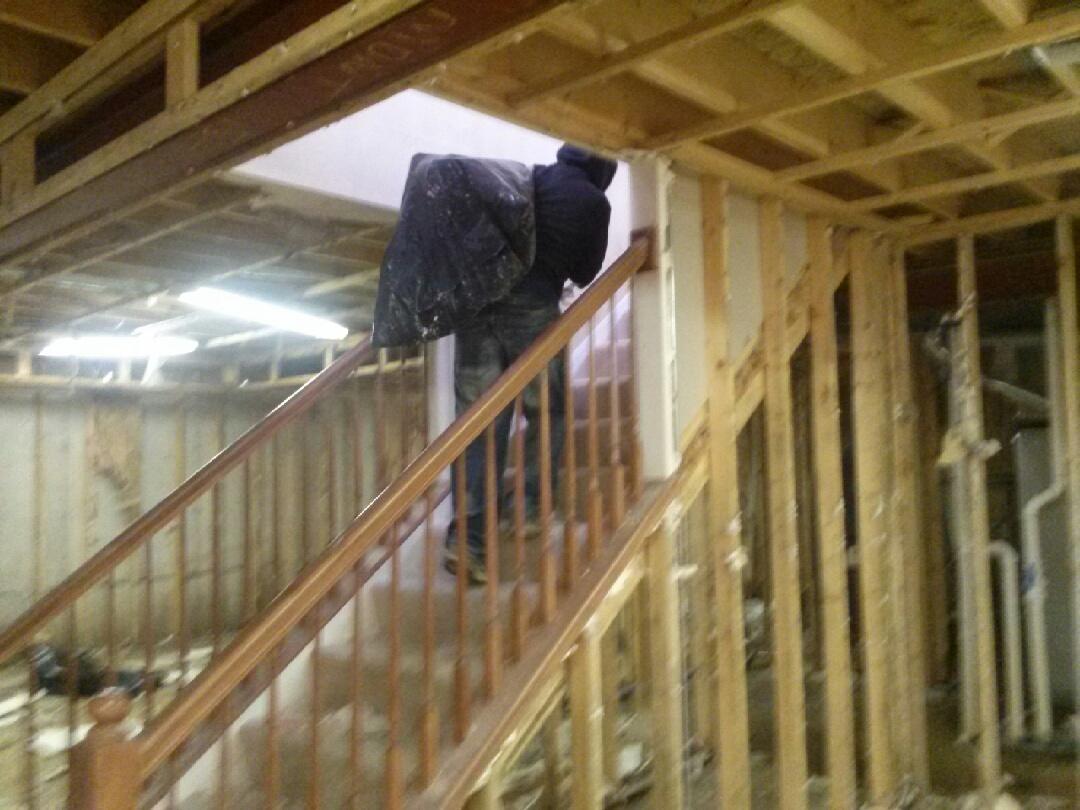
Insurance coverage
Water, fire, smoke, wind, mold… what’s covered? And what’s not? Insurance policies are difficult to interpret, yet a professional disaster restoration company works with insurance companies every day, so they are best equipped to help you through the process of dealing with insurance agents and adjusters. You want to be treated fairly and receive fair coverage from your insurance company. Having a qualified, reputable restoration and cleanup Chicago contractor in your corner helps with the entire process.Do what’s right. Call your disaster restoration and cleanup company of Chicago IL, The CleanUP Guys when you suffer any type of loss. They will get right to the heart of the matter and fix the issue with appropriate and expert steps.
Tuesday, August 7, 2018
Black Mold Help in Chicago IL

Categories of Black Mold Contamination
When things get damp, humid, musty, smelly… there could be trouble brewing, even if you can’t see the source of the issue.When your nose senses suspicious odors, especially in areas such as dark, enclosed basements, as one example, thoughts often go to, “Do I have mold?”
It’s a concern everyone should have, because specific types of mold, depending on an individual’s sensitives, can be hazardous to health.
While this topic and potential issues aren’t meant to alarm you, being informed is important and a protection to yourself and to your family. And one way to be informed is to know the various types of mold, at least a few of the common ones found in homes.
Alternaria
This type of mold is common as well, and normally shows up in damp areas, such as a shower, sink, under cabinets, and dark areas that may be humid. This type of mold usually, to those sensitive to it, causes asthma attacks and other allergic reactions.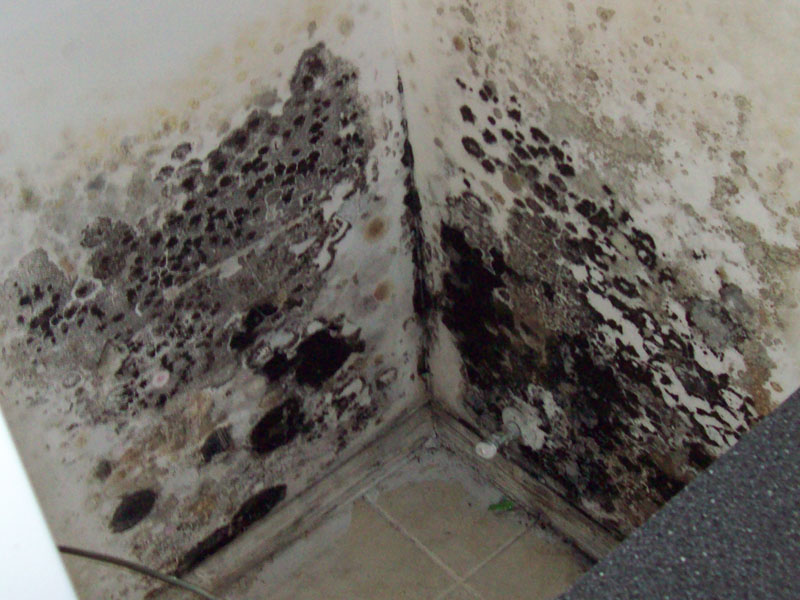
Aspergillus
One common mold found indoors is aspergillus. It isn’t considered a substantial health threat, but it can cause issues with those who are sensitive to molds. Some severe reactions can include inflammation of the lungs, infection of the respiratory system, and other symptomatic reactions to exposure to this mold spore.Aureobasidium
This mold grows best on wooden surfaces, such as natural wood furnishings, and also in paint and wallpaper, to name a few. It often exhibits a black/pink color. Over time, this mold can cause severe allergic reactions to sensitive individuals.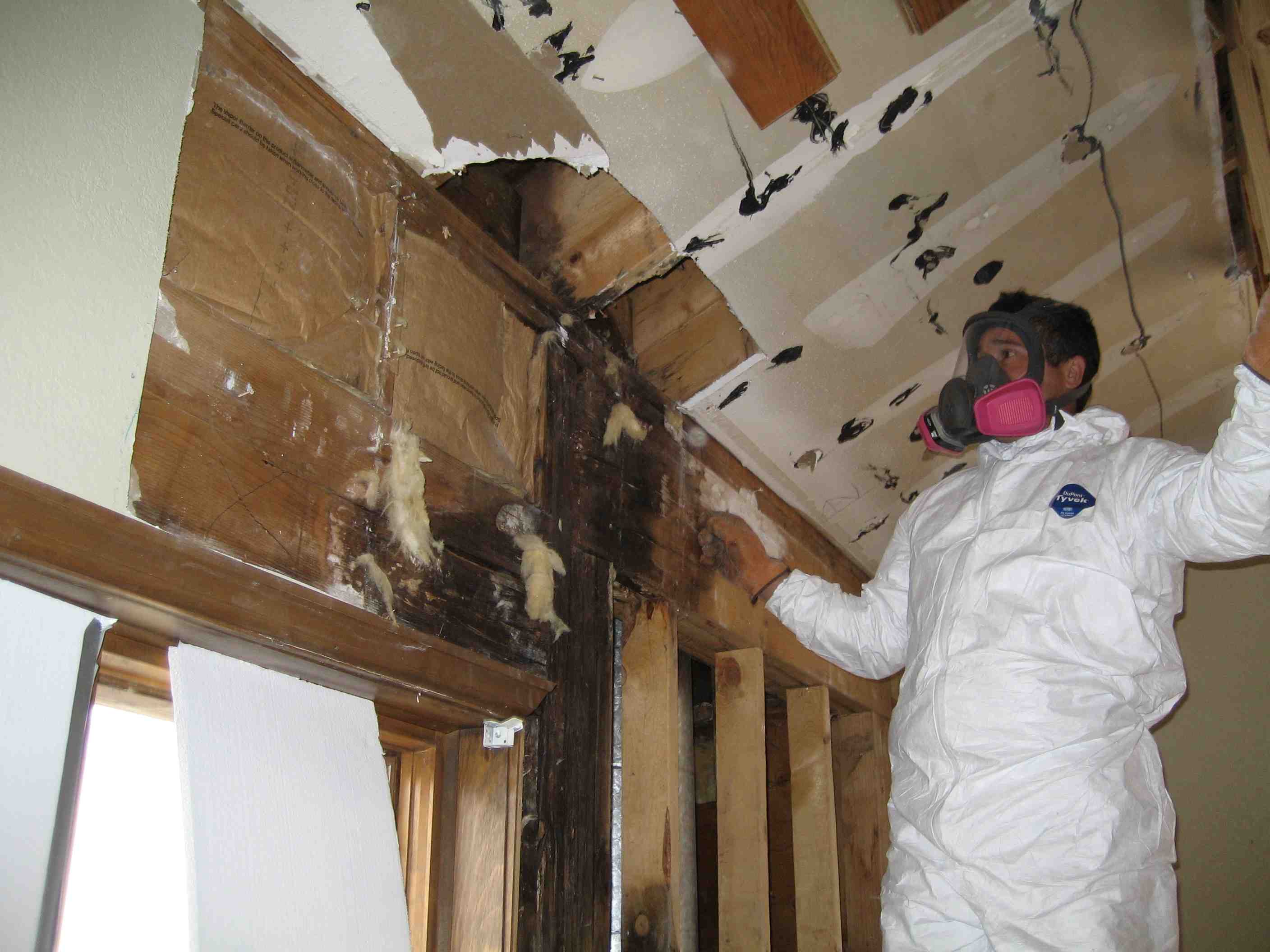
Chaetomium
The last mold we will cover here is often caused by some type of water damage situation. It can usually be found in drywall, especially when wet from water damage or other moisture intrusion. You usually identify this type of mold by its musty or “old” odor in the home.Cladosporium
Often found in soil, cellulose and plant debris, in both cool and warm areas, on various surfaces such as carpet, wood floors, and fabrics. Exposure can cause breathing challenges and respiratory issues. This can be a dangerous type of black mold to deal with.These are just a few types of black mold common to homes. Do your research and you will find a very long list of potential mold threats; some of them sound extremely risky to be around.
Remember, if you have any questions about water damage, mold contamination, mold spores, musty odors, and potential health threats to your family and home, call your disaster restoration company.
After all, it pays to call a professional mold remediation service like The CleanUP Guys in Chicago!
Tuesday, June 26, 2018
Get Water Damage Help and Water Damage FYI Chicago IL
WATER DAMAGE HELP AND THE NECESSARY CLEANUP AND REPAIRS
All of us are in need of water. We can’t live without it. Yet, sometimes when it is sitting in our homes or our commercial properties, we may feel otherwise. All of us are well aware that water is a necessary part of life. We need water to stay in its place. That is running through our plumbing system or filtration system, and not all over our floors or walls.If water is floating anywhere in or around your property it can create a serious problem with costly consequences. Some think that just a small amount of water can’t do any harm. This can be deceptive depending on the exact circumstances, like the type of water that spilled, the condition of the flooring, or wall space, the humidity levels in the structure, and last but not least, has this happened before.
While a small spill might go unnoticed, a burst water pipe, flooded basement, or leaky roof can dig deep into the pockets or the bank account. While it is completely difficult to determine just how much a water damage restoration or flood cleanup may cost, because each job is different, primarily the cost will be determined by a few factors that need to be assessed upon arrival by a professional water damage restoration company.
- If you need roof work done to stop a leak or prevent excess moisture seeping into your attic space, this could get a bit costly. Roof repair can go a long way in securing your property from unwanted water damage and unnecessary condensation from rain. Even a gutter system that is not functioning properly can cause undue moisture to build up around a roof area affecting the shingles, the siding, the underlying trim and structure and ultimately the area of space inside just under the roof. It is good to have an inspection done of your property from time to time, especially after an extremely heavy rain!
- Flood water that sits in a basement can be extremely foreboding to say the least. If left without attention it can cause havoc to the foundation, the subfloor, the walls and everything else that sits in the basement. Most waste time getting multiple estimates instead of trying to get the water out immediately. While we do want to be cautious as to who we invite into our property to assist us with our flood damage, we don’t want to take too much time in making a decision and grappling over pennies. You know it is going to cost to get it done. Especially if insurance is not going to cover it because of some small sentence in your policy or a rider that you were not aware of. This does happen to many consumers as there is the tendency to wait until a disaster occurs before knowing how much coverage you have or do not have. Insurance companies really don’t mind paying out to help their clients, but it is always a good idea to know what type of coverage you have and where to find those necessary documents should something happen. One thing that gets many consumers is, they may find out that they do have coverage, but it will only go up to a certain dollar amount. And now they are left with coming up with the rest to cover the costly restoration and repair work needed. Water intrusion can strike at any time. It’s best to be prepared just in case it does. There is no fool proof guarantee of stopping water when it strikes. We experienced one customer who spent about $25,000 on a flood water prevention system that essentially was to pump water “away” from the property to keep it from flooding the basement. I guess you know the story. That’s why we were called in to assist. The pumping system failed and now the property owner had a basement full of water to deal with. Be careful with promises of systems that prevent water from inundating your property. While some may work for a time, all it takes is that really heavy fast-moving storm to come and dump inches of water in minutes and there goes the preventative process to keep the water away. Water can be like a vengeful enemy. Once it starts, and if it is not shut off, it will keep coming and run over everything in place. There is no stopping water when it comes down in sheets. It’s very sad to see a property owner spend thousands of dollars on equipment that does not work. Your heart can only go out to them. But, that is what the damage restoration company is here for. To help when disaster recovery is the best and final alternative.
- Another issue can be a burst pipe. Typically this can affect not only flooring but the walls can get wet as well. When this occurs, the insulation if there is any present, can get saturated and need to be removed. We find this is one of the leading causes of the spread of mold behind walls. Improper handling of insulation. If the material behind the walls gets extremely soaked there is almost a 100% guarantee, if left for more than three days, you will have mold to develop. In this case walls need to be removed, insulation needs to be replaced, studs need to be treated and encapsulated.

EDUCATE YOURSELF ON WATER DAMAGE
The more knowledge that you have in dealing with water damage and how it can affect your home the more prepared you are when it happens:Know how old your home is, what the pipes are made of, and what type of issues usually plague homes just like yours. If you live in an older home it's important to know what the pipes are made of (you can find that out by calling a plumbing service, asking the previous homeowner, or hiring an inspector). There are a variety of pipe materials used in new and old homes, and some are more prone to leaks than others.
What type of area do you live in? Is it prone to moisture? Do you get a lot of rain? Is it a wet, damp environment most of the time from snow? Is it a cold tempered area? If you answered yes, proper insulation may be necessary to protect your piping, and the walls spaces. Without a bit of insulation, exposed pipes can freeze, crack, and burst. A burst pipe can be really expensive to fix needing the expertise of a plumber, and a good drywall/painter to fix it. Piping systems run throughout the property. Either one of them, especially those that are not seen, like under the floor, near your garage, or near outer walls can freeze. A good shot of foam insulation can do the trick. It can serve to keep the temperature at a level that may prevent a pipe from bursting and causing water damage. It is good to know the type of piping material that your property has in place.
Also, knowing the history of the property before purchase, if possible can help. Has the property flooded before? If so, how long ago? Who handled the flooding issue and is there any documentation as to what was done. This will give you a keen eye into the history of the property as respects to water damage and possible mold issues.
If you notice pendulum like swings in your bill for water each month, it might be an indicator that something needs to be checked to see why this is taking place. It is a safety and preventive measure that many property owners overlook.
SPRINKLERS
Damaged sprinkler systems are a major cause of yard and basement floods throughout the U.S. We dealt with one NFL football player in the Chicago area whose home sprinkler system popped in the winter, and filled the basement with about 5 feet of water. Needless to say, you can’t do anything until all the water is pumped out. Then there is the responsibility to make sure that the electricity is off so that there can be no harm to anyone in the damaged area. We got all the water out and proceeded to assess the damage and put together a comprehensive game plan to get the basement restored.It's common for sprinklers to wear out over time and with frequent use, eventually leading to leaks. This is one of those small things that can easily go unnoticed or overlooked. We just assume that those things will take care of themselves. Until a disaster occurs. And in areas that drop below freezing during the winter, broken or burst pipes are even more common. Some municipalities handle water flow by shut off valves and other systems. It is good to know when this is done and if there is such a schedule for doing so. It can be the difference between coming home to a life-as-usual situation or one of a water damage disaster. Keeping an eye out for spots in your back yard they may seem to get patches of water or are soaked from time to time is a sign that you may have a problem. If you notice any excess water, you will need to repair the damage quickly. If the sprinklers seem to be working poorly or with reduced pressure there might be a leak somewhere in the system. It’s these simple little tricks that can prevent a major disaster later.
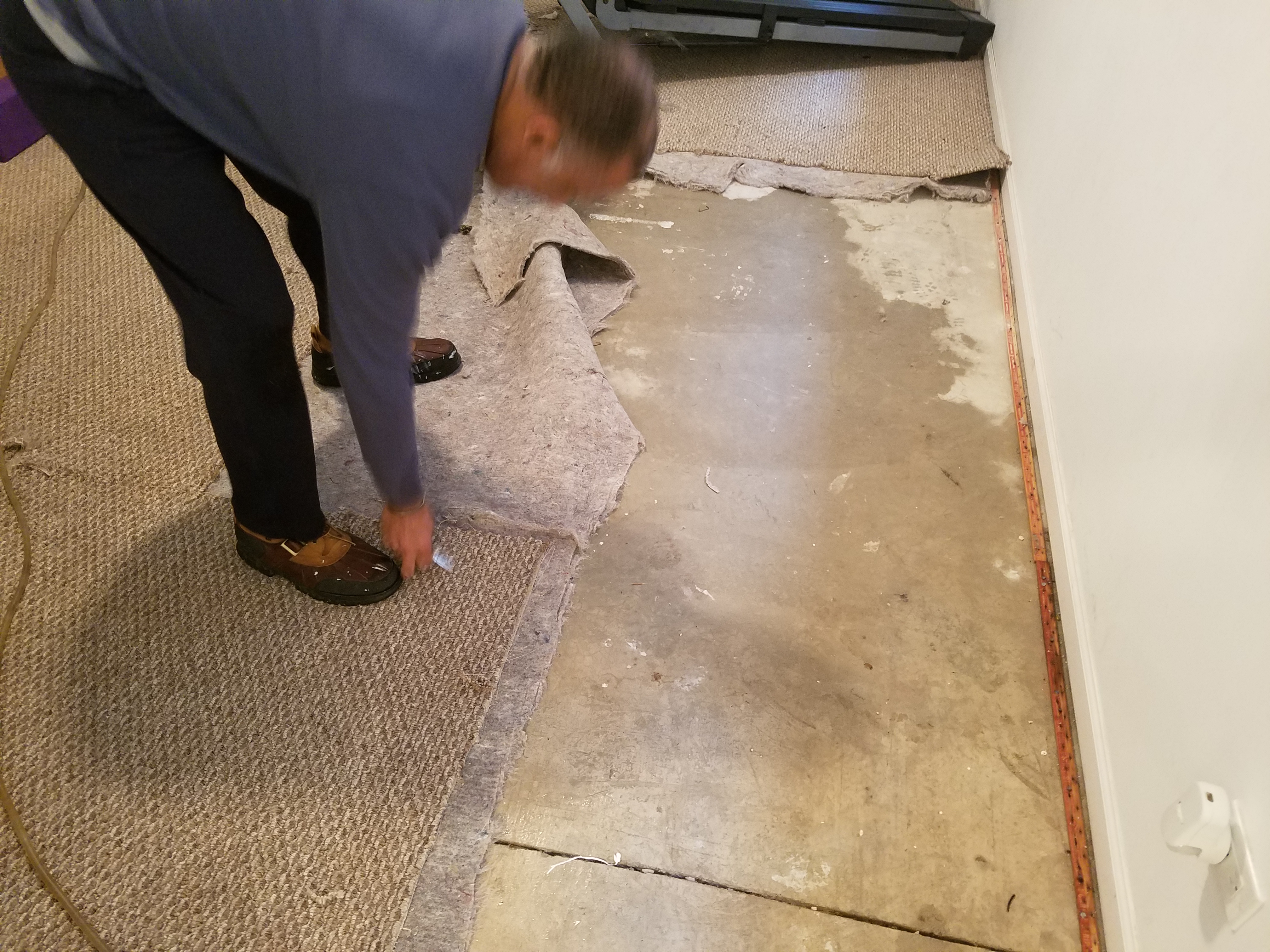
REPAIRS
The CleanUP Guys specialized in helping property owners to detect any water damage issues and work to resolve them before they get out of hand. It is our job to repair water damage issues that might exist in your property. It is best to prevent things from happening where you can. But we know that life happens and some problems simply can't be avoided. Act as fast as you can when it does. This can minimize the overall damage to your property and keep costs to a minimum. After all, saving money where you can is what it’s all about.The first thing you need to do if you have a water damage problem is to turn off the water throughout your home.
Of course, the more the water is flowing the greater the damage and the more extensive the cleanup. If the flood is caused by outside sources, consider placing sandbags and other dams around your home as an alternative. After the water has been turned off or you successfully have it diverted, make sure you turn the power off throughout your home. It is very easy to electrocute yourself during a flood if you keep the power on.
After the water and electricity are off, remove all of your belongings and furniture as quickly as possible. The goal is to dry and repair furniture and electronics as quickly as possible. If the water subsides or dries on its own, you will need to clean any wet surfaces to prevent mold, mildew, and bacteria from growing. Do not use high or direct heat. Why? It can ruin fabrics and warp most materials. After you have done what you can, it's time to call for professional water damage restoration services. They will be able to come in and quickly assess your damage and get the work going immediately.
We hope you never have to undergo the experience of water damage in your home. But if that day comes, don't wait and let the damage compound.
When it comes to detecting water damage issues, it is good to know where to look. It does not have to be a large swath of water to have a problem. Even small indicators can be noted and dealt with immediately:
The roof of your property is a good place to start. Especially since water can start up and flow downward into other areas. Roofs are subject to wear and tear due to various reasons like weather extremities, continuous hitting from tree branches, old or poor-quality roof tiling, shoddy work, etc. Water dripping down any part of the roof is a sign of mold remediation.
We have noted some larger structures like dance halls, banquet halls, country club venues that deal with high ceiling rafters are a great candidate for this type of activity. They are high up and out of the way, and can easily go unnoticed until the damage has taken over large areas.
Water can also penetrate through doors and windows. If they are not installed properly, and can cause considerable mold repair. As mentioned earlier, water intrusion can also damage the insulation system within your property. Pay attention to how your property responds during rainfall, storms and the like. Are you noticing high levels of moisture? Are any of the doors, windows, or trim buckling?
Gutters are a very important part of water flow away from the home. If they are blocked or overflowing, this can be a substantial cause of water damage to your property. During heavy rainfall, if the gutters are clogged, it fails to send down the water flowing from the roofs, resulting in a large amount of water accumulating near the base of your property. The Chicago area and suburbs receives its fair share lately, of extreme moisture and condensation activity. With all the rain occurring it is a very good idea to assess how your property is handling the load.
Did you know that your appliances can also leak? These may go unnoticed for years, causing a buildup of mildew and possible mold contamination under, behind and sometimes even inside the appliance. Where there is water, there is promise for possible mold remediation concerns.
The bathroom is another place to consider when it comes to the use of water. If it sits in one place too long, mold and mildew can start to form and affect overall environment, and the air quality in the property.
Whichever level of water and moisture content that needs to be addressed, it should be handled as soon as possible. The best way to deal with this problem is to contact experienced mold remediation repair services on an immediate basis. Expert services have the necessary experience and knowledge to solve your mold damage problems through required equipment and expertise.
Mold remediation companies know what it takes and how to get rid of unwanted contaminants in your property. They are trained with the use of various industrial grade equipment and modern technology, as well as the necessary chemicals it would take to rid the property of unwanted bacteria. Sometimes the property owner may need to relocate from the premises while this process takes place. Be sure to ask the mold remediation specialist if this is the case in your particular situation.
Water damage in any property can appear to be a daunting assignment to handle. It doesn’t matter how it gets there, in most cases we just want it to go away. To make that happen, pick up the phone and call your local damage restoration experts, like The CleanUP Guys!
After this labor is completed, equipment for drying such as air movers or scrubbers, dehumidifiers, and specialty floor drying systems may be left in your home for a few days, to ensure that the area is completely dried. If any water is allowed to remain in the area, contamination will continue, causing mold and bacteria growth. After two or three days (or however long is necessary), the area will be reevaluated to be sure that the drying process is complete, and drying equipment will be removed.
PROFESSIONAL WATER DAMAGE HELP CHICAGO
One of the most important things in factoring cost and what plan of action that needs to be implemented is determining the level of water damage and its type. As the industry has educated many of us, there are three categories of water, rated on their contamination level.Category One: is clean, sanitary water, also known as clear water. This most commonly is found in clean water supply lines, such as those leading to a faucet, or in bottled drinking water. While this water has little or no contamination in itself, it can degrade into a higher category quickly if it comes into contact with outside contaminants in the environment.
Category Two: also known as grey water, is water that is mostly clean but does contain some contaminants. This kind of water is found in washing machine or dishwasher overflow, as well as toilets and bathtubs. This category of water may cause discomfort or illness if ingested, and can degrade into category three if it comes into contact with further contaminants in the environment.
Category Three: water, also known as black water, is grossly unsanitary, containing a high level of contamination. It can cause severe illness or even death if ingested. Sources of this kind of water include sewage, flooding from rivers, wind-driven rain, and standing water that supports bacterial growth. If left untreated, all water will eventually reach this level of contamination as it comes into contact with bacteria and other microbes.
When the type of water damage category is determined, we move onto how far the damage has occurred, and what needs to be done to handle it properly.
Class One water damage generally only affects a small area, or affects an area with very little porosity such as concrete. There is no wet carpet or other highly porous materials involved, class one damage is the least dangerous and the easiest to repair. You hope this is the one you have, right?
Class Two damage can affect an entire room, and often includes carpet. Water may also have soaked into the walls up to 2 feet, a process known in the industry as “wicking.” There may be moisture in the structural materials of the building, and other hidden areas.
Class Three water damage is total saturation of walls, ceilings, insulation, carpet, and walls. Water often comes from overhead in these situations. Everything would have to be addressed, as the saturation level is extremely high, leading to extensive damage.
Class Four damage is reserved for unique or specialty drying situations, in which materials with low porosity (such as hardwood, plaster, brick, stone, or concrete) have become saturated. There may be very deep pockets of saturation that needs to be dried out and treated according to the type of material involved.
Professional help is just a phone call or email away.
Contact The CleanUP Guys for professional water damage restoration and mold remediation services in your area!
773-885-8528
sherm@thecleanupguys.com
Sunday, May 27, 2018
Sewage Basement Backup Cleanup Chicago IL
Sewage Clean-Up: A Mess to Contend With!
It is a homeowner’s worst nightmare…a Chicago sewage back-up into the house. It is a smell, disgusting mess that poses a special set of challenges and hazards. Cleaning up after a sewage back-up is an unpleasant job, but it can also be dangerous. It is better left to professionals. An explanation of how sewage issues can occur, why they cause health concerns and destruction of property, and how to hire a professional will help you understand the dangers of sewage leaks and ways to prevent future problems.Sewage leaks are the second leading cause of water damage in a home or business, behind flooding. They occur with sewage pipes burst inside the structure or when there is a blockage in the line and the raw sewage backs up into the building. Anyone using the plumbing in a kitchen or bathroom in a home or business that does not have its own septic system, contributes to the sewage system in that community. Everything that goes down the drain or toilet travels through sewer pipes beneath the city to a waste water treatment facility. The sewage may either flow through the pipes via gravity or it could be pumped through the line. That is, when everything is working well. Occasionally something goes wrong.
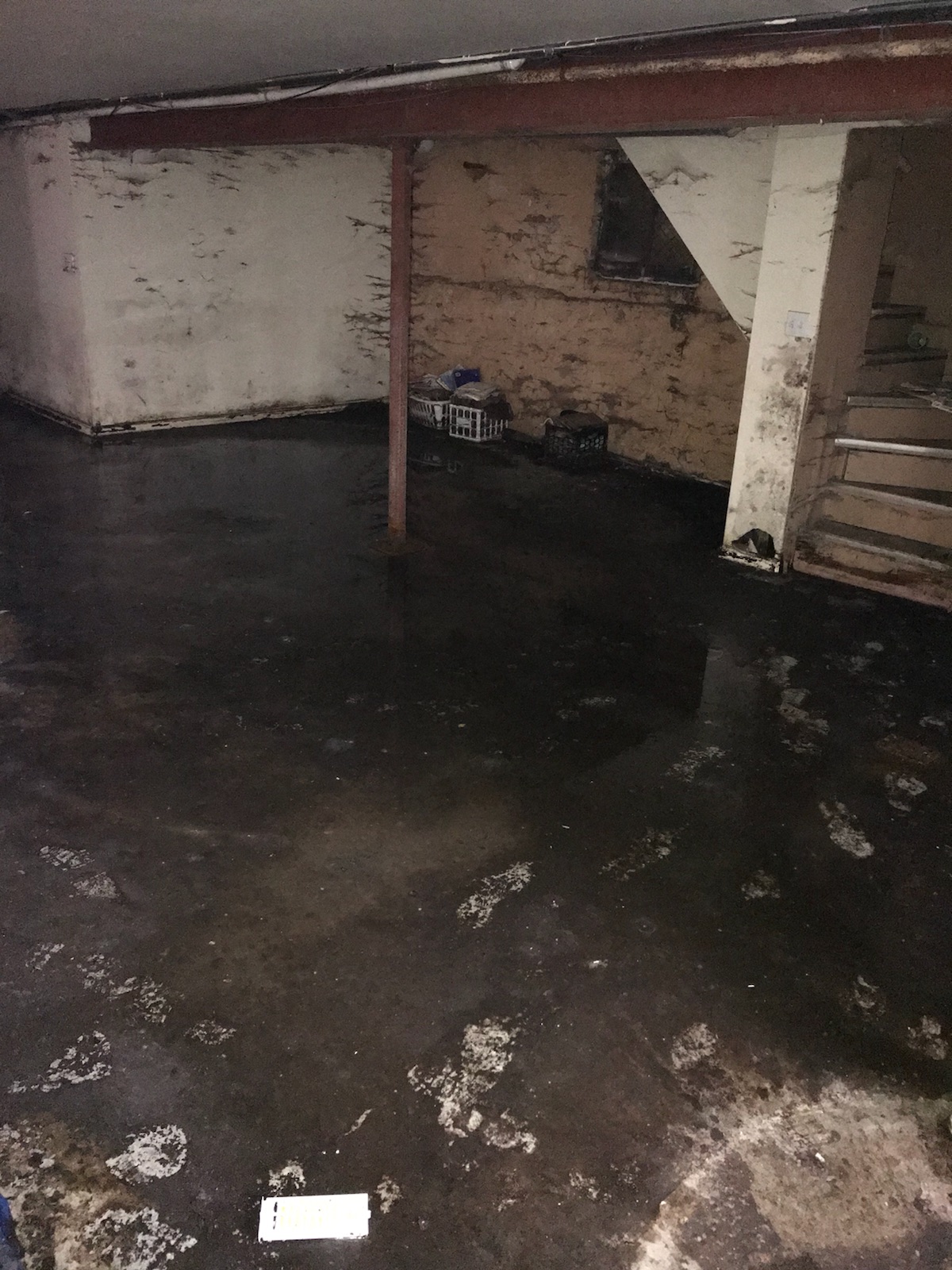
Causes of Sewage Backup
Any number of things can cause sanitary waste to back up from the sewage system into a home or business but the biggest culprit is tree roots. When the roots of trees, bushes, and shrubs push down into the soil, they are searching for moisture. The tiny root endings will find any hole or crack in the pipeline – especially at the joints – and wiggle its way in. When the tree grows, so does its roots, and pretty soon the roots are so big that they block the flow of sewage. The waste material is still entering the pipeline, but since it can’t progress through the pipe, it goes back from where it came, backing up into the building and causing a messy problem.Tree roots aren’t the only thing that can cause a Chicago sewage back-up. Grease is another big culprit responsible for sewer pipe blockages. Some people will pour hot grease, in liquid form, down their sink drain where it cools and solidifies. In other cases, poorly maintained commercial grease traps are to blame. Grease should never be disposed of down a sink drain or flushed down a toilet. Instead, pour the hot liquid grease into a bowl and allow it to harden as it cools. Then scoop it into the trash.
Another reason for sewage backing up into a house or building is a malfunction in the sanitary main. If the main becomes blocked or if a pump fails, raw sewage could seep into surrounding basements through the floor drains. No matter the reason, a sewage back-up can be costly and difficult to clean up.
Homes and businesses with septic systems are not immune to sewage back-ups. A blocked line to the septic tank could cause the raw sewage and gray water to flood the building. As with public sewer lines, tree and plant roots can pose a major problem for septic lines. The roots penetrate the pipes and obstruct the flow of waste. The semi-solid waste becomes entangled in the roots and, after time, the entire pipeline is blocked.
A sewage back-up could also be caused by issues with the septic tank itself. If too much gray water enters the system, the water overtakes the solid waste which can then block the intake pipe.
If the home or business has a garbage disposal that is linked to the septic system, still other problems may arise. Kitchen wastes entering the septic tank may not break down as quickly or completely as bathroom waste. Grease from the cooking process, in particular, can be detrimental to the septic system. Because grease does not completely dissolve, it causes a sludgy build-up to form at the bottom of the septic tank and requiring more frequent septic tank pumping.
The overall function of the septic system can be negatively impacted by harsh chemicals entering the septic tank. The septic system works because bacteria breaks apart the waste and it leeches away into the drain field. If too many powerful chemicals, from cleaning supplies or medicines, are pushed through the septic system, the natural, beneficial bacteria may be killed off or their numbers may decline, upsetting the balance between incoming sewage and outgoing fluids. This, too, can eventually lead to a back-up of raw sewage from the septic system into the home or business.
Lastly, structural damage to the underground septic tank can impact its effectiveness. Sometimes, this can occur naturally, such as if the ground shifts, causing the tank to list to one side. But most often, this type of damage to the in-ground tank is man-made. Heavy vehicles, like cars, trucks, bulldozers and tractors, driving over the ground above the septic tank is the leading cause of the movement and shifting of the tank. If the tank moves, the intake can dislodge from the tank and all of the waste flowing through it will have no place to go, causing a back-up in the building.
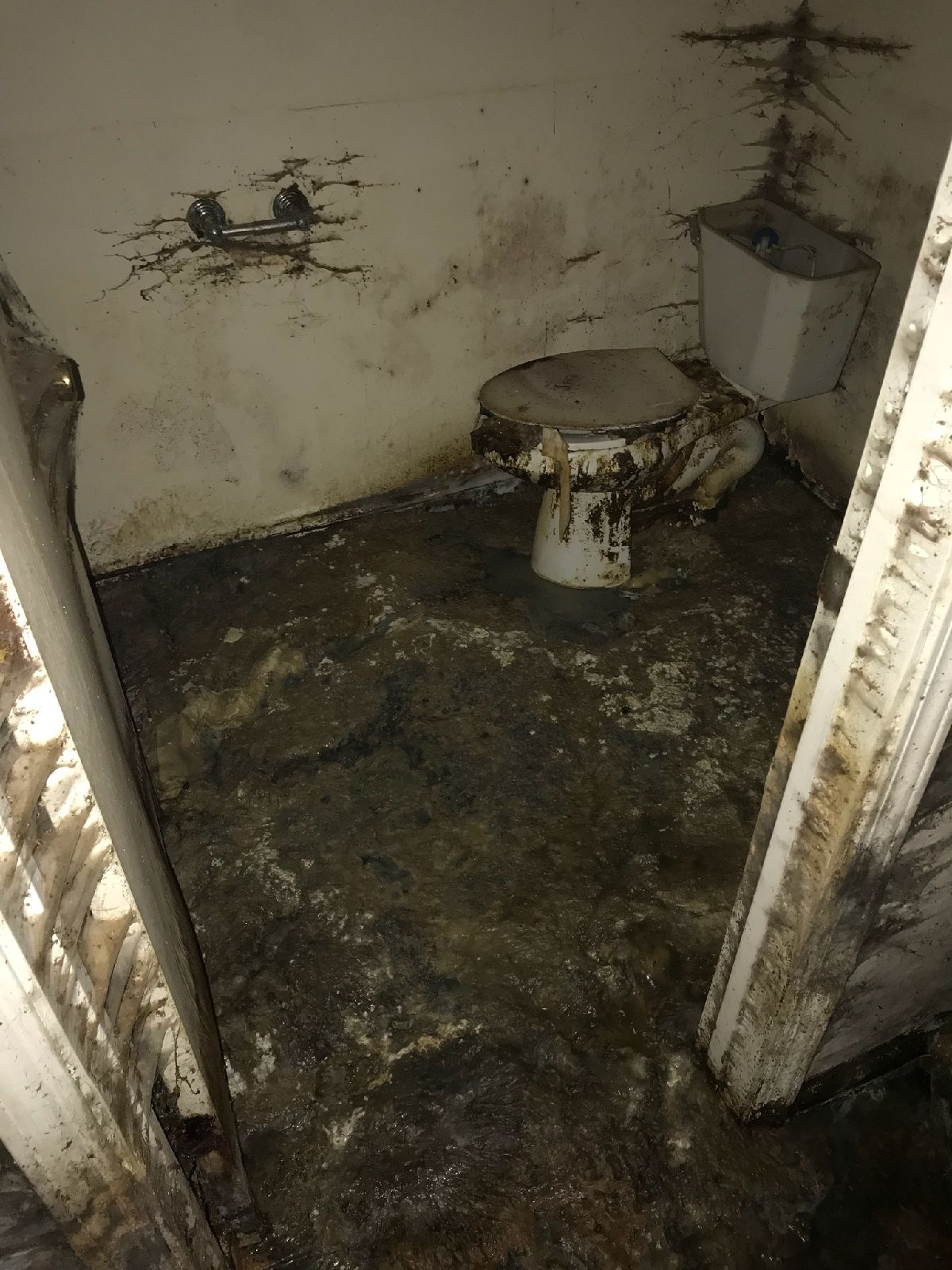
Prevent Sewage Back-up
Because sewage clean-ups are costly and hazardous, home and business owners should take steps to properly maintain their septic systems. A well-maintained system is less likely to fail. Proper, routine maintenance includes limiting the amount of chemicals that enter your septic system, never driving over the area where the septic tank is buried, and avoid using the garbage disposal, especially for greasy foods. Home and business owners should also be mindful of the amount of gray water that is introduced into their septic system. There are ways to decrease the gray water waste, such as taking shorter showers, repairing water leaks immediately, and only washing full loads of laundry and dishes. The tank will need to be periodically pumped by a licenses septic pumper. The frequency of septic pumping depends on the usage. Lastly, home and business owners should be aware of where the septic tank is buried so they can avoid planting bushes, shrubs, or trees near it. A root destroyer product that contains copper sulfate can dissolve roots that invade the septic system.Due to the unsanitary nature of sewage, back-ups can create a hazardous health situation. Sewage is human waste. It is full of bacteria, germs, and viruses that can cause serious health problems for people living or working in the building. The contaminants can spread diseases, like hepatitis A, typhoid, and diarrhea, and can lead to vomiting and dehydration. Disease is spread through contact, and it not airborne, although the unpleasant smell may drive people out of the residence. Touching the contaminated water, then touching the mouth or lips, can allow the germs and bacteria to enter the body. Depending on the nature of the sewage leak, a person may inadvertently drink the contaminated water, which also, of course, poses a health concern. The germs and bacteria can live on hard surfaces for a long time which is why a thorough cleaning is needed. If walls, floors, furniture, and other surfaces are not decontaminated as soon as possible, long-term health risks are possible.
Additionally, the liquid sewage can encourage mold growth, which causes another set of health concerns. Headaches, respiratory issues, and allergic reactions are all symptoms of mold exposure. Often, mold grows in places that cannot be seen, like behind walls or in crawl spaces. Anytime there is a sewage leak, there is a potential for mold growth, therefore a mold removal expert should be called into properly eliminate the mold.
Sewage Back-up Damages Property
A sewage leak can damage property, too. Like a flood or water leak, a sewage leak can destroy carpeting, wood flooring, drywall, and furniture. Any soft materials, like rugs, carpet, upholstered furniture, pillows, mattresses, shoes, and stuffed animals should be thrown away immediately as they cannot be salvaged after sewage contamination. The soft materials are too porous and the viruses, germs, and bacteria will infiltrate the materials so completely that they cannot be thoroughly cleaned. Hard surfaces like wood, tile, and metal, can be disinfected and restored. Clothing, bedding, and other washable fabrics can also be saved as long as they are immediately washed in hot water and detergent. In all, a sewage leak can lead to extensive repairs and costly replacements.A backed-up sewage leak can cause damage to the home or business’s electrical system, too. If the water and waste mixture covers electrical cords or is high enough to reach electrical outlets, there is the potential for it to short out and possibly cause a fire to start. Water and electricity are a deadly combination. If the liquid has come in contact with anything electrical, there may be a risk of electrocution. The building should be evacuated immediately and the power to the home or business should be shut off. A professional electrician should be brought in to access the situation, repair the damage, and make the electrical system safe again.
Get Help with a Professional Sewage Clean-up Company
Cleaning up after a sewage leak is not a fun or easy job. In fact, it is better left to the professionals, not only because it saves us from doing the dirty and disgusting task, but because a professional sewage cleaning specialist is more knowledgeable and better equipped to tackle the job than the average homeowner. If the sewage has damaged parts of the structure and covers a wide area, hiring a clean-up specialist is the best way to make sure that the job it done correctly and thoroughly and quickly.When looking for a clean-up professional to handle a sewage clean-up, there are several questions you should ask. You should find out if the company is experienced in sewage clean-up. Are they certified and insured? Do they have the proper tools and equipment to get the job done quickly and thoroughly? Are all their employees trained in the safe handling of raw sewage material? It is also important to find out, up front, if the clean-up company can get the job done right away. With a sewage leak, it is of the utmost importance to get the mess cleaned up as quickly as possible before even more damage is done to the structure or more threats to human health.
To find a professional cleaning service, you should ask your friends, neighbors, and family for recommendations. Perhaps they have used a good, reputable cleaning company in the past that they would be happy to refer to you. Or, perhaps they had a negative experience with a professional service company and you should be aware of that so you can steer clear of them. Find out from the clean-up service if they work closely with other professionals, such as plumbers, septic specialists, carpenters, and electricians. Before the clean-up work can start, they will need to stop the sewage leak and ensure that more waste material cannot continue to invade the space. They will need to work with the plumbers to repair the sewage leak, electricians to make sure that the wiring in the home or business is safe and up to code, and carpenters to replace soiled drywall and carpeting.
A professional clean-up service will decontaminate the surfaces, including the carpeting, if it can be salvaged. In most cases because of the terrible fecal matter that exists in sewage, typically it is best to trash the carpeting, that is, get rid of it. All hard surfaces will be disinfected, even out-of-sight areas. They will use a commercial-quality dehumidifier to remove moisture and air scrubbers to remove contaminants from air. In hardwood flooring sometimes it might be fortuitous to rip out the flooring down to the sub-floor as sewage deposits can get lodged in below and cause health issues as well as future damage to the foundation area. Recently, there was a project that we encountered that had nice Pergo flooring. Because of the extent of the damage and the degree of the sewage sludge, the flooring had to be ripped out and discarded. Obviously, in hardwood situations, wood is porous and can absorb the horrible sewage and water.
If the sewage clean-up is tiny, it might be possible for the home or business owner to clean up the mess themselves. Although it is recommended that an experienced professional do the work, an individual could scoop up any solid waste and dispose of it in plastic bags and soak up the liquids with disposable rags or paper towels. You should open all the windows, if possible, and set up fans to ventilate the area. Remove all the soft material and dispose of anything that cannot to thoroughly cleaned. Using a wet/dry vac, remove any liquid that doesn’t come up with rags. Completely scrub the hard surfaces with a solution that is half bleach and half water. Using the beach solution, also mop the floors. When doing the sewage clean-up yourself, wear an air mask and other protective gear, such as rubber gloves, safety eye glasses, and boots. Take every precaution to avoid contact with the raw sewage.
Preventing future sewage leaks will save money and time and will protect the home or business from damage. Properly maintaining the septic system is one step. Another is to be aware of tree or shrub roots that are near to sewage or septic lines. The roots could penetrate the pipes and create blockages. Lastly, people in the home or business should be mindful of the materials that they put down the sink drains. Grease is a big cause of blockages that could lead to sewage back-ups. There are so many different reasons and ways that sewage could end up on your floor and covering your property.
There is the nasty mess of toilet overflows or back-ups. This can be one of the worst things to have to deal with. It pumps or gushes out fecal matter in all directions. We had one assignment where the sewage was belched all over the walls, windows, floors, everywhere. This is a completely hazardous environment and should only be handled by professionals. Needless to say it’s dangerous.
It can get especially challenging when you add the other deadly foe. We are talking about mold. Yes, mold from the moisture and toxic waste. Have we seen environments like that? Yes! Not only is it a deadly mix of toxic waste, but just about everything has to be gutted out to properly get rid of two of the most toxic mixes of combinations to come together in a damage restoration project. The property damaged area must be meticulously covered with a fine tooth comb. Every single nook and cranny must be addressed to properly get rid of the nasty sludge.
This would entail removing all drywall, baseboards, trim, doors, and insulation. Everything that can be removed down to the studs and sub-floor. In this way proper treatment can take place and the professional restoration equipment can do its job. This is a must if the rebuild of the area is to take place according to industry standards. There can be no cutting corners here!
As you can see, sewage back-up is a deadly toxic time bomb. But, with the right help and the professional know-how of a Chicago damage restoration company, the job can be done like it never happened!
Monday, April 30, 2018
Black Mold Removal Chicago IL
Mold Removal: Save Time, Energy, Money, and Health by Hiring a Professional Mold Technician
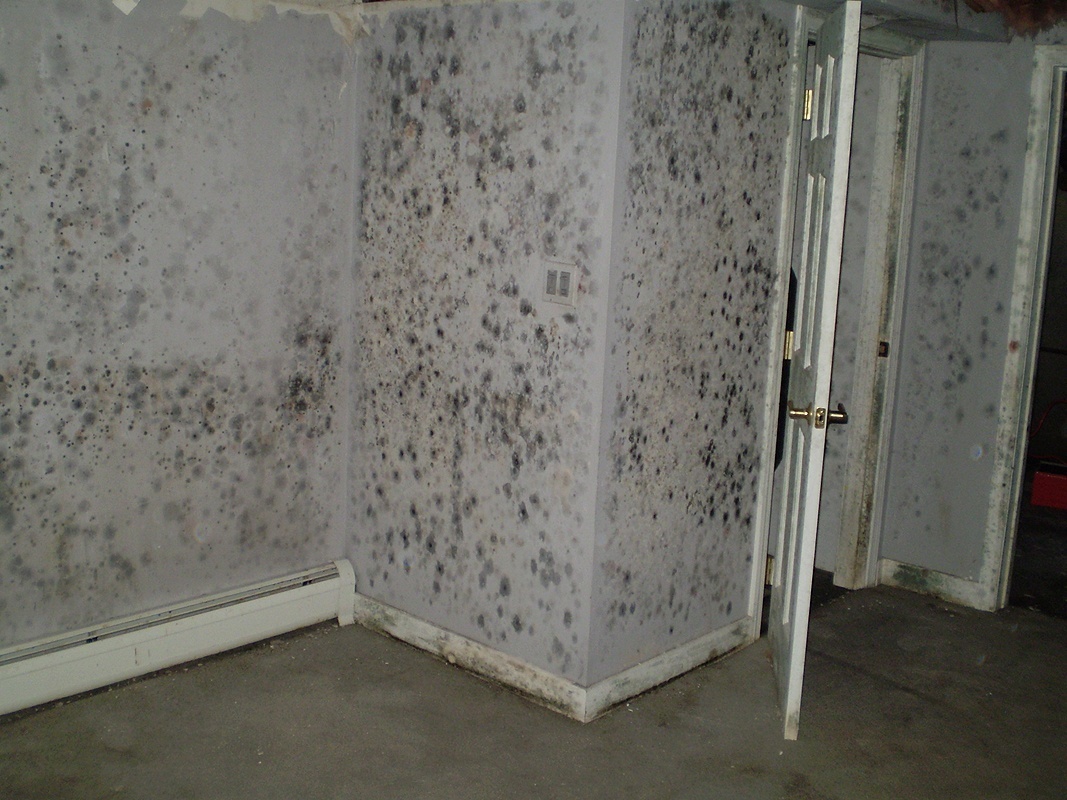
Mold is necessary for some things, like cheese, penicillin, and fermented wine, but in our homes, mold can pose serious hazards to your health and home. Many strands of mold can be toxic and lead to health issues. If not found and removed, mold can lead to damaged drywall, wood rot and expensive home repairs. The good news is that household mold can be eradicated, preventing costly repairs and illness. The trick is to understand what mold is and the type of environment in which it thrives, as well as ways to discover mold growth in your home, and when and how to hire an expert mold removing service. With a mold-free home, you can breathe easier…literally!When people talk about mold issues in houses, they often use the term “black mold.” It is a menacing sounding name and, too often, homeowners fall for scare tactics regarding black mold because it sounds so sinister. In reality, black mold is not a single type of mold but a group mold distinguished by their dark black color. Other common molds appear as greenish or grayish in color. Not all types of black mold at toxic, which is why a mold expert may be needed to assess the situation.
Some types of mold, however, can be quite nasty. Aspergillus, a common household mold typically found in air conditioning ducts, can consume large quantities of organic material, such as cloth and wood, while releasing pathogens into the air that can cause allergic reactions and respiratory ailments. Cladosporium is often black in color, but can also be green. This type of common mold makes its home in moist areas like behind the toilet and fiberglass air ducts. Although Cladosporium is not toxic to humans, it can cause allergic reactions, such as scratchy throat and watery eyes. Stachybotrys atra is a strain of mold that is often called black mold. It grows in warm, humid environments, particularly basements, attics, and crawl spaces. Stachybotrys atra contamination can create health concerns, such as headaches, wheezing, lung infections, and fatigue.
Finding mold in your home is not as easy as simply looking for mold growth on the walls. That’s because mold often grows in areas that are unseen by homeowners. Often, too, a homeowner will notice a black stain, but assume that it is dirt. An expert in mold remediation is experienced in looking for signs of mold in hard-to-see places is the best person to consult if you suspect there is mold in your home.
Many times, the first sign of mold is the odor. A musty, moldy small permeating through your home probably means you have an unseen moisture problem somewhere that has led to mold growth. If you continuously smell the foul odor of mold, you should thorough inspect your home for visible signs of mold growth, including crawl spaces, closets, and attics.
Any sort of water or moisture problems will almost certainly cause an explosion of mold growth. Mold thrives in damp, warm environments, therefore controlling water leaks and excessive condensation will help to control mold. A leaking roof may not cause rain to drip through the ceiling right away. Instead, the water may be trapped in the rafters and attic, creating a suitable habitat for mold to grow. If you begin to notice water stains on your ceiling or drywall, there is a good chance the mold has already taken hold. Routinely inspect walls and ceilings for water marks, cracked paint, or bubbled wallpaper. All can be a sign of a water leak.

Kitchens and bathrooms, because of the water pipes supplying these rooms, are particularly susceptible to water leaks and subsequent mold growth. Take note of the conditions under each sink to ensure that there are no leaks. Also, examine pipes, drains, toilet seals, and showers for unwanted water leaks and make the necessary repairs as soon as possible. A dry environment is not conducive to mold growth.
Today’s houses are built to be air-tight, and occasionally, this contributes to condensation in the home. Condensation is a visible indication that the moisture level in the building is too high, and the stage is set for mold to grow. Condensation can occur in attic spaces that are not well ventilated. Too much moisture in the home can present itself with water accumulation on glass window panes and metal pipes. Condensation is a sign of a chronic humidity problem in the home that should be addresses as soon as possible because it can lead to chronic mold.
Homes that are built in low-lying areas or along rivers, lakes, ponds, and creeks, are prone to occasional flooding, especially in the basements or crawl spaces. Where there is water, there is the potential for mold growth, therefore any flooding incident, however minor, should be followed by a mold inspection conducted by an expert in mold remediation. Flood waters can seep into nooks and crannies and cause mold to grow in places where it cannot be seen.
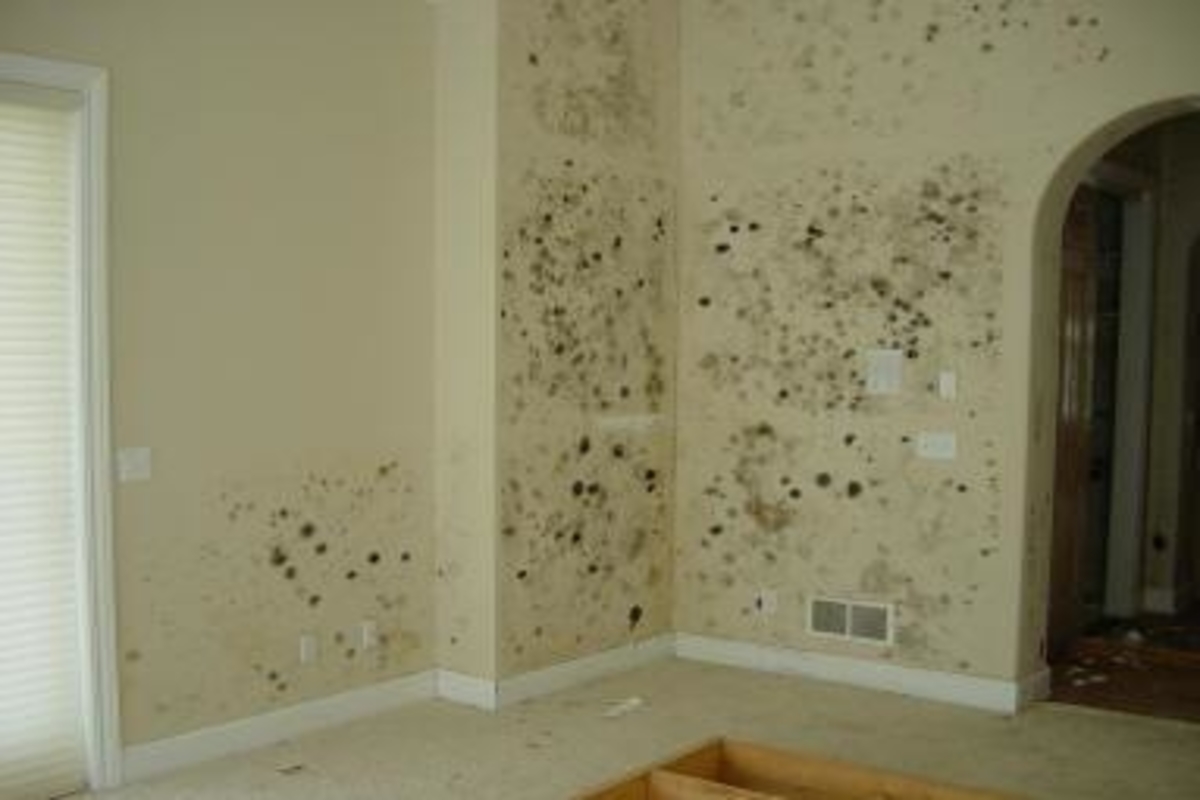
If you spot mold growing in your home -- or if you smell it but cannot see it -- take immediate action. Mold does not go away on its own, and any delay in taking action just compounds the problem. Likewise, any signs of water leakage or damage should be addressed immediately.
If left unchecked, it can lead to rotting wood and an explosion in mold growth. Mold likes warm, moist environments, but it feeds off wood, drywall, fabric, paper, carpeting, and other organic materials. Given enough time, the mold can damage the structure to the point that floorboards are weakened and ceiling tiles collapse. Typically, homeowners discover the mold and eradicate it before it reaches this point, but it is important for homeowners to know that some materials in the home can be irreparably damaged by mold, necessitating costly renovations and repairs.
The longer the mold is allowed to ravage your home, the bigger and more costly the home repairs will be. This is why prompt action should be taken at the first signs of mold in the home. Although it may be possible to thorough clean some materials, like floorboards and wall studs if the damage is not significant, many materials that have been covered in mold will need to be disposed of and replaced. “Soft” surfaces, including mattresses, carpeting, rugs, insulation, wallpaper, and upholstered furniture, cannot be adequately cleaned and should be immediately scraped. Additionally, drywall and sheetrock will most likely need to be removed and replaces. Studs, floorboards, and rafters, if they are still structurally sound, should be thoroughly cleaned and disinfected by a mold remediation specialist, then sanded down to remove as much mold as possible. The surfaces can then be sealed with a sealant that contains mold-killing properties and will effectively encase the remaining mold spores in an air-tight, water-tight seal to prohibit further growth and spreading. Brick, cement, glass, metal, and tile surfaces can be cleaned of mold, however the process is expensive, strenuous, time-consuming, and potentially dangerous. A licensed, professional mold expert will have the proper equipment, know-how, and safety apparatus to complete this unpleasant task.
In fact, removing all mold-damaged materials from a home takes care and expertise and should only be done by an experienced mold removal professional. An unsuspecting and inexperienced do-it-yourselfer can inadvertently spread the mold spores around the house while pulling up moldy carpeting or ripping down moldy drywall. The spores can float around the air, causing allergic reactions and health risks, and can land on otherwise clean surfaces, spreading the mold even more.
Mold can invade the ductwork of a home, creating another set of problems. Air from the heating, ventilation, and heating systems pushes through the ductwork, spreading mold throughout the whole house. A small mold problem can easily turn into a big one, thanks to the movement of air – and mold spores – via the HVAC system. If homeowners even suspect that they may have mold in their ductwork, FEMA, the government’s Federal Emergency Management Agency, recommends have the HVAC system inspected by a mold removal expert, who is trained and experienced in proper mold removal.
Mold spores can play havoc with the human body. Many types of mold cause allergic reactions or exacerbate chronic illnesses in people, and other types are downright toxic. Because mold poses a health risk, it should be taken seriously. Immediate steps should be taken to eliminate the exposure to mold.
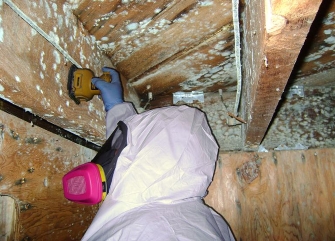
Symptoms of mild mold allergies include sneezing, watery eyes, runny nose, and headaches. Because these symptoms mimic other ailments, like the common cold and flu, it is often difficult to know right away that a mold reaction is occurring. If the symptoms persist over a long period of time, or worsen with the person is in the home, it could be a clue that mold is the culprit. The discomfort of mild mold allergies can be relieved by using over-the-counter decongestants and antihistamines. If a person knows he or she has been exposed to mold, he or she should take a shower to remove as many of the unseen spores as possible.
For people with asthma or chronic respiratory illness, exposure to mold can be quite dangerous. Even for otherwise healthy individuals, mold allergies should not be dismissed. Coughing, wheezing, and a constriction of the throat are indications that the person should seek immediate medical attention. An allergist can help to determine if a person’s symptoms are the result of a mold allergy. Typically skin or blood tests are used to identify the allergen.
Several varieties of mold, including Stachycotrys chartarum, can produce mycotoxins that can cause serious health problems. Mycotoxins are a secondary byproduct of mold and other fungal organisms. The mycotoxins of many mold species are potent enough to cause severe symptoms in humans, and can even lead to death.
Mycotoxins often affect the neurological system. Signs of a severe mold reaction with possible mycotoxins include trouble concentrating and staying focused, memory loss, dizziness, and intense headaches. Additional symptoms can include personality changes, skin rashes, joint pain and stiffness, and lethargy. The specific symptoms and the severity of them depend on a number of factors, including the type of mold spores, how much the person was exposed to the toxin, the duration of exposure, as well as the overall health of the individual, Factors such as age, vitamin deficiency, daily diet, and use of alcohol and illicit drugs can also enhance the severity of the mycotoxin symptoms. Exposure to mycotoxins can lead to the development of chronic respiratory and neurological disorders. Children are especially vulnerable. Studies have linked exposure to mold toxins in childhood to asthma, severe respiratory infections, and allergic hypersensitivity.
Although it is possible to kill mold with any of the home remedies that are circulating around the internet – tea tree oil, bleach, vinegar, grapefruit extract, or hydrogen peroxide, to name a few – do-it-yourself treatments may only be a band-aid for the problem and may lead to prolonged exposure to the mold. That is because mold doesn’t always grow where it can be easily seen. Most mold growth, in fact, may be out of sight, growing behind walls or above ceiling tiles or in crawl spaces. Only a trained expert who knows what to look for and where to look is qualified to tackle the job of mold remediation.
Mold Remediation Technicians often have degrees in fields such as public health, occupational safety, or biology. It is important for them to study and understand to causes and effects of mold in residential homes and workplace buildings. On-the-job training and apprenticeships afford Mold Remediation Technicians the experience they need to be able to approach the varied responsibilities of the job. Specialized on-line courses and certification programs are also available for Mold Remediation Technicians, as well as continuing education workshops and seminars. It is vital that they stay abreast of developments within their field so they can be as effective as possible in eliminating mold growths.
Mold removal experts are accustomed to the physical demands of mold remediation, including climbing on ladders, moving furniture, and crawling through tight spaces. Do-it-yourself homeowners may injure themselves attempting to do these. Additionally, professional mold experts have the proper safety equipment – and know how to use it – so they are safeguarded against the bio-hazardous contaminants they come in contact with. In an attempt to rid their home of mold, an uninformed homeowner may unwittingly increase his or her exposure to the mold simply due to lack of experience and awareness. Likewise, professionals have an arsenal of tools at their disposal to help them do their job. These can include moisture meters, industrial fans, duct cleaning apparatus, and power tools. The average homeowner most likely does not have these tools and cannot, therefore, be as effective at removing the mold problem.
Additionally, Mold Remediation Technicians often work with other home repair and maintenance specialists, including plumbers, drywallers, and carpenters. If a house has experienced a flood, water leak, or other catastrophic mold occurrence, a team of professionals can work together to resolve the problem. Through this joint effort, homeowners can rest assured that the job it done correctly. For instance, they can be certain that the wall studs has been cleaned and free of mold before the new drywall was installed, and that the leaky pipe was repaired before the mold clean-up started.
Hiring a qualified mold remediation company is an important first step in restoring the health of a home and the family who lives there. It is vital that homeowners find a top-quality, experienced, and trusted mold expert so that the job it done correctly and thoroughly. But the actual task of finding the right mold expert may be a daunting one. Word-of-mouth is still the best form of advertising so homeowners should ask around. Friends, family members, co-workers, and neighbors may have had a mold experience and can recommend a mold expert. A personal recommendation from a trusted friend is better than an on-line rating from an anonymous customer.
Knowing the right questions to ask before hiring a mold professional can make the search for the right company run smoother. Is the mold technician insured and certified? A certification will provide proof that the technician actually knows how to remove the mold. After all, anyone can create a professional-looking website. It is important to know that, behind the website, is a knowledgeable and experienced professional with the credentials to do the work.
Ask what type of mold remediation methods the technician uses. The first step in mold remediation is to locate and eliminate the water leak, and then isolate the contaminated materials. The affected surfaces should be cleaned, replaced, or sealed to encapsulate the mold spores. The area needs to be properly ventilated and filtrated, with care being taken to ensure that the mold doesn’t accidentally spread during the remediation process. To reduce the health risks of the mold, every surface should be completely cleaned, and porous materials, such as carpeting and upholstered furniture should be replaces. If the technician is not committed to the cleaning process, mold spores could linger, causing a regrowth and potential health concerns.
Find out if the mold company works closely with other experts, such as plumbers, heating and air conditional technicians, and insulators. Most well-respected mold remediation experts won’t attempt to do more than they can do on their own, and instead, rely on other professionals to repair water leaks, inspect ductwork, and replace insulation, drywall, and carpeting.
Does the mold remediation company stand behind their work? If post-remediation testing shows that mold levels remain unacceptably high, find out how the company responds. Will they do further cleaning and remediation until the environment is safe? A reputable company will do what they can to solve the mold problem, even if it means repeating the work.
Lastly, do they suggest hiring a different company to do a post-remediation test and inspection? If the same company that conducted the remediation is also responsible for doing the after-testing, there is an opportunity for unscrupulous business practices. Instead, ask the mold technicians to agree in writing to the post-remediation standards they will meet, then hire an independent expert to verify that the work has been done to satisfaction. In fact, some states, as well as some mold remediation credentialing organizations, require the post-remediation testing be conducted by a third-party for verification purposes.
In an attempt to save money, many homeowners look upon mold removal as a do-it-yourself project. If the mold is contained to a small area and on an easy-to-clean surface, like bathtub tile, it is possible for the homeowner to do the clean-up himself or herself. But if a large area is covered in mold – greater than a three-foot by three-foot spot –, the mold is invading soft surfaces like carpeting, or the mold is in heating, ventilation, and air conditioning systems, it is necessary to call in the professionals. A professional mold remediation Chicago expert should also get involved if the mold is the result of sewage contamination or contact with hazardous substances. Homeowners with asthma, weakened immune systems, or other chronic medical conditions should not risk further exposure to the mold as it could worsen their health. Mold remediation technicians should also be hired because they have the experience, knowledge and expertise to take care of the mold. The average homeowner is not experienced or equipped to thoroughly eradicate the mold.
Mold is serious business. It can sicken people and cause irreparable damage to buildings. Attempting to remove mold with do-it-yourself home remedies may not fully solve the problem and can end up causing a bigger issue down the road. Mold needs to be attacked aggressively by experienced, trained experts who know where to find the mold, what products to use, and how to clean the materials. Only thorough, professional mold remediation can provide homeowners with the peace of mind of knowing that their home is a safe environment for their families.
In professional mold removal situations just about anything can occur inside a property. There have been properties that have ejector pump, or sump pump issues where by sewage has spat out all over the various rooms and allowed to sit along with festering mold. What a bad combination. Sewer deposits and mold. Needless to say, the smell alone would run anyone away from a property like that. And yet, these are some of the issues that water damage restoration and mold remediation companies’ face when dealing with disaster recovery inside properties that have been left unattended for days, weeks and sometimes months on end. One such property had sewage spew out of a piping in a wall that occurred also from a toilet backup or overflow. The sad situation is that it was in a condo property setting. Let me explain. With a single family home if something happens it generally affects one family and is more contained to the home. With condo or an apartment building then infestation, stench and decay can seep into other adjacent or below condo units. When this happens, more damage takes place and now you have other parties involved. This can get pretty difficult to handle because of insurance reasons. Who pays for it? When do you get paid for it, if at all? Thus, the mold removal professional must be well-organized and good and taking pictures and keeping notes. Sorting out this sordid disaster step by step and doing it systematically at the start will save everyone involved lots of heartache and stress.
How do you move forward? Good communication is the key! Even after coming up with a game plan to get the whole matter resolved and bring the property back to a pre-loss state. There is the need to get everyone involved in on the decision-making. It can cost a professional his business and/or reputation if this not handled properly. You see, in apartment buildings and condo units, walls are separated but sometimes adjoined. Where mold and sewage is concerned, this can take place on a load bearing wall. Or it can happen on a back side of a wall that both parties share. Not to mention if there is ceiling damage involved. So many things can jump out at a professional restoration technician when dealing with multiple parties in a disaster recover issue. Literally, things are sometimes left behind walls and in cavities that one would never even think to find there.
In one such story, a young kid did not want to learn how to play a particular instrument. So in some adroit manner, the child found a way to hide it in the cavity of a wall, unbeknownst to the parents. Mission accomplished. No instrument, no lesson. It wasn’t found out until later when the inspection occurred to sell the property that the instrument was discovered. Funny story, but it highlights the point that anything can exist behind walls and in crevices or cavities. There are even stories of animals sometimes lurking in attics, crawlspaces and in wall cavities. The professional mold remediation technician can face all types of issues and obstacles in trying to get the job done.
Documentation and paperwork, along with plenty of photos can assist in leaving a good trail of what took place and how it was handled.
Another issue that must be given strong consideration is how to handle the property belongings, you know, the furniture, office equipment, appliances and the like. Sometimes due to mold or sewage backup these items may need to be thrown out as they are beyond repair. Try to convince the property owner of that though. Many items have a sentimental value to them and one can understand why the homeowner feels so deeply about the item(s). Certainly, here is where professionalism along with compassion comes into play. Professional restoration technicians are not robots, nor should we act like one. This is a trying moment for anyone who has to deal with a property loss due to water damage, mold, sewage or fire. The homeowner not only needs a skillful restoration person, but also someone who will listen and understand the weight and depth of what they’re facing. Their feelings about this important project can be just as “messy” if you will. From denial, and doubt, to anger and frustration, to we have got to get this matter taken care of immediately. We understand! At this point, the emotions have run the gamut. At this critical point what you need is someone who can help you to relax and think straight. Someone who has seen this type of disaster on many different levels and knows how to put you at ease with a mold removal and remediation program that will get your property where you can breathe freely again. Just remember, it is not impossible! With the right removal process, the right equipment, the right mix of chemicals and a systematic approach to containment, your property can be well on its way to a complete restoration.
The size and scope of your project might seem overwhelming at first, but when you start to see things put in order and come together, you can exhale. One of the most important parts of any mold removal and mold remediation projects is the proper set up of containment. What is containment, you say? It is a tarp or plastic sheeting that is placed over or around the contaminated area to keep any dangerous spores form escaping into the uncontaminated zones of the property. In other words, it keeps all bacteria from escaping and starting growth in other areas. Therefore, the work can commence, and even if mold or bacteria is disturbed and becomes airborne, it will not go beyond the containment. In addition, vents and window openings should be covered to keep the deadly spores from spreading. HVAC systems can be properly shielded with containment as well.
Now the whole process of getting rid of the mold can get underway. Depending on the type of surface that mold has rested on it will take skill, a bit or elbow grease, and some powerful chemicals to rid your property of mold.
There is so much involved when it comes to removing and killing mold. A temporary fix is not the answer, such as bleach. The mold spores can resurface and start spreading again. Safe to say if there is mold in your property, please do not delay.
Get help from a certified professional mold remediation Chicago contractor as soon as possible.
Get your property back to where you can feel good about it again!
Subscribe to:
Posts (Atom)